A six-day Kenya safari suits travelers who want a focused route and substantial time in a few wildlife areas. Eight days adds a wider mix of habitats and the Maasai Mara. Fourteen days allows a deeper northern Kenya, Rift Valley and Mara circuit. Choose by the wildlife you most want to see, your tolerance for transfer days, and the time you can spend at each stop.
On a map, adding another destination can look irresistible. In a safari vehicle, the calculation changes. Every change of camp involves packing, checking out, traveling, checking in and learning a new landscape. A route with more park names can leave less time for the slow, absorbing work of watching wildlife.
That is why we compare itineraries by full safari days, not just calendar days. Our published 6-day Kenya safari focuses on Aberdare, Ol Pejeta and Samburu. Our 8-day Kenya safari travels from Nairobi to Samburu, Lake Nakuru and the Maasai Mara. The 14-day Kenya safari extends the journey across northern Kenya, the Rift Valley and the Mara. These are different route choices, not the same short safari with extra nights attached.
Kenya safari itinerary: 6, 8 or 14 days?
Decision factor
6 days
8 days
14 days
Published route
Nairobi → Aberdare → Ol Pejeta → Samburu → Nairobi
Nairobi → Samburu → Lake Nakuru → Maasai Mara → Nairobi
Nairobi, Ol Pejeta, Samburu, Mount Kenya, Lake Nakuru, Lake Naivasha and Maasai Mara
Nights
5
7
Confirm the exact night allocation in the final itinerary
Main strength
A focused northern Kenya experience
Northern wildlife, Rift Valley birdlife and classic Mara game viewing
A broader circuit with more opportunities to vary pace and experiences
Mara included?
No
Yes
Yes
Best suited to
Travelers drawn to rhinos, conservation and Samburu’s distinctive wildlife
First-time visitors who want contrasting habitats and the Mara
Travelers with time for a fuller Kenya journey
Main trade-off
No Mara on the published route
Several substantial road transfers
More total travel days and a larger overall trip commitment
The route and duration details above reflect our published six- and eight-day product pages and the published description of our fourteen-day circuit. Before booking, we confirm the exact fourteen-day night allocation, accommodation and transfer schedule in your tailored proposal.
There is no universal “ideal” safari length. Six days can feel generous when you concentrate on a few places; fourteen can feel rushed if you try to visit everything Kenya offers. The quality of the route matters more than the size of the number in its title.
What fits into a six-day safari?
Our six-day journey is deliberately not a compressed Maasai Mara safari. It travels north from Nairobi, beginning in Aberdare’s highland forest, continuing to Ol Pejeta Conservancy and ending with three nights in Samburu National Reserve. That final three-night stay is important: it gives you more than a quick introduction to Samburu before the return journey.
Aberdare offers a quieter beginning. Rather than racing straight into a full game-drive schedule, guests can watch for wildlife around the lodge waterhole and settle into the rhythm of the trip. Ol Pejeta then changes the emphasis to conservation, with rhino viewing and a visit to the chimpanzee sanctuary included in the published itinerary. Samburu brings a markedly different dry-country landscape along the Ewaso Nyiro River.
The route appeals to travelers interested in Kenya beyond its most familiar grasslands. In Samburu, the wildlife possibilities include Grevy’s zebra, reticulated giraffe, Beisa oryx, gerenuk and Somali ostrich, the animals often grouped as the “Samburu Special Five.” Sightings depend on conditions and the animals’ movements, but the chance to look for species associated with northern Kenya gives this journey a distinct identity.
Where the time goes
The six days include the outward journey from Nairobi, moves between Aberdare, Ol Pejeta and Samburu, and a return to Nairobi on Day 6. Our itinerary places three nights in Samburu, allowing full days for game drives and the planned Reteti Elephant Sanctuary visit. It also states that the journey uses a private 4x4 safari Land Cruiser and includes park entrance fees; some expenses, including international flights, drinks, gratuities and Day 6 lunch, are excluded.
That mix makes the six-day route a strong choice if you would rather know a smaller number of places well than make a brief appearance in every famous park. Its limitation is equally clear: the Maasai Mara is not included. If seeing the Mara is essential, choose a different route or ask us to redesign the itinerary rather than assuming two extra days can simply be added at the end.
Who should choose six days?
This is a particularly good fit for:
Travelers whose main interests are rhinos, conservation, and northern Kenya.
Repeat visitors who have already spent time in the Mara.
Families or couples who prefer a private, focused route.
Photographers drawn to contrasting forest and dry-country settings.
Guests with a firm six-day window who do not want to overpack it.
For a first safari, six days can absolutely be enough, provided the destinations match your priorities. If the Mara is the image that brought you to Kenya, our published eight-day route may be the more satisfying starting point.
What do eight days add?
Our eight-day itinerary is a different journey rather than an extension of the six-day product. It begins with a night in Nairobi, travels to Samburu for two nights, continues to Lake Nakuru, reaches the Maasai Mara for two nights, and returns to Nairobi before departure. It does not include Aberdare or Ol Pejeta on its published route.
The result is greater geographic variety. In Samburu, the landscape and wildlife introduce northern Kenya. Lake Nakuru provides Rift Valley scenery and birdwatching, alongside the possibility of seeing rhinos and other mammals. The Mara then brings open plains, predators, and the scale many first-time visitors hope to experience. Our published itinerary also includes a Maasai cultural visit and a nature walk.
Two additional days do not eliminate travel. This route moves between widely separated areas, and its Day 5 transfer into the Mara leaves one full game-drive day there before the return to Nairobi. If your sole priority is spending long, patient days in the Mara, we would discuss a more Mara-focused version rather than treating this route as the only eight-day option.
The advantage of contrast
For many first-time travelers, eight days offers a persuasive balance. The trip does not ask one destination to represent all of Kenya. Samburu’s dry-country setting, Nakuru’s lake landscape and the Mara’s grasslands each contribute something different.
That variety can be especially valuable for a group with mixed interests. One traveler may want big cats, another may care deeply about birds, and someone else may find the changing landscapes as memorable as the game drives. An eight-day circuit gives each interest a place without extending the holiday to two weeks.
The published eight-day package states that it uses an exclusively allocated tour Land Cruiser with guaranteed window seats, includes park and reserve entry fees, and provides bed and breakfast in Nairobi with full board on safari. International flights, drinks, laundry, gratuities, and specified optional activities are not included. We would confirm the final accommodation choices and the rate applicable to your group and dates before reservation.
Should you add more Mara time?
Possibly. If migration-season wildlife or Mara photography is the central purpose of your journey, the published allocation of two Mara nights deserves a closer look. An extra night can create more room for changing conditions and a less hurried game-viewing pace; it cannot guarantee a river crossing.
The Mara River migration phase is broadly associated with July through October, as the herds move in search of water and grazing. That seasonal window is useful for planning, but it is not a timetable for animal behavior.
Why fourteen days changes the journey
At fourteen days, you can begin to experience Kenya as a sequence of ecosystems rather than a shortlist of highlights. Our published fourteen-day circuit links Nairobi, Ol Pejeta, Samburu, the Mount Kenya area, Lake Nakuru, Lake Naivasha and the Maasai Mara. The attraction is not simply the number of stops: it is the opportunity to understand how different northern, highland, Rift Valley and Mara landscapes fit together.
Ol Pejeta brings a conservation focus. Samburu shifts the scene north. The Mount Kenya area adds a highland setting, while Nakuru and Naivasha give the Rift Valley more than a passing glance. By the time you reach the Mara, you have seen several very different versions of Kenya.
A fourteen-day itinerary also gives us more choices about pace. We can discuss where an additional night would add genuine value, where a road journey is part of the experience, and where a flight might spare you a tiring transfer. Those choices must be made against the actual route and your dates; a longer trip is not automatically relaxed if it has too many one-night stays.
More time should mean more depth
A common planning error is to see fourteen days as permission to add every available destination. That can produce a long list of park names but little time in any of them.
Instead, we ask what you want the additional days to accomplish. They might allow:
A slower start after an international arrival.
More than one full wildlife-viewing day in a priority area.
Time for a conservation visit, birding or another special interest.
A less demanding transfer schedule for children or older travelers.
A deliberate mix of lodge and tented-camp experiences.
Greater flexibility for photography and unhurried mornings.
For guests interested in the difference accommodation makes, our luxury tented camp versus safari lodge guide explains the practical trade-offs. On a longer circuit, the most rewarding choice may be a mix of both rather than the same style every night.
When fourteen days is worth it
Choose fourteen days if the journey itself is a major part of your holiday. The longer route particularly suits travelers coming to Kenya for a substantial once-per-trip break, people with varied wildlife interests, and guests who want the north, Rift Valley and Mara without reducing each to a photograph taken between transfers.
It can also suit families and photographers, but only when we plan the daily rhythm around them. A family may value a pool and a free afternoon more than another early start. A photographer may prefer an extra night in one location over a new destination. We tailor those decisions rather than assuming that more days should always mean more places.
If your available time includes the international flight into and out of Kenya, tell us that at the outset. “Fourteen days away” and “fourteen safari days on the ground” produce very different itineraries.
Compare total value, not headline price
A six-day package is not automatically cheaper per day, and a fourteen-day trip is not automatically better value. The routes differ, as do the accommodation possibilities, transport arrangements, group sizes and inclusions.
Our published six-day route is private and focused on Aberdare, Ol Pejeta and Samburu. The eight-day route covers Samburu, Lake Nakuru and the Mara, with a Nairobi night at each end. Comparing their displayed product prices without comparing those differences would not be a like-for-like assessment.
Ask these questions before deciding:
Question
Why it affects value
How many nights are spent in the places I most want to see?
A longer trip can still offer too little time in your priority park.
How many days involve a substantial transfer?
Transfers are necessary, but they reduce time available for game drives and rest.
Is the vehicle private or shared?
Vehicle arrangements affect flexibility, seating, and the final per-person quote.
Which meals are included?
A Nairobi hotel night may have a different meal basis from safari accommodation.
Are park and conservancy fees included?
These can materially change the total cost.
Which activities are included, and which are optional?
A listed experience is not necessarily part of the base rate.
Where are the camps located?
A convenient camp can save daily travel time to wildlife areas.
Are flights needed or useful?
Flying can save time but adds another cost and luggage requirements.
We also consider the cost of getting to Kenya. If your international travel consumes a substantial part of your overall holiday budget, staying longer may make that journey feel more worthwhile. But length should serve your interests, not become a reason to keep adding destinations.
For a fuller look at the transport decision, read our road safari versus fly-in safari to the Masai Mara comparison. The best transfer choice depends on the complete route, not the price of one flight.
Choose by the experience you want
The fastest way to choose is to start with a must-see list, and keep it short.
Choose six days if northern Kenya, Ol Pejeta’s conservation experiences and substantial Samburu time matter more to you than reaching the Mara. This is a focused private route, not a miniature version of a country-wide tour.
Choose eight days if you want Samburu, Rift Valley birdlife and the Mara in one published itinerary, and you are comfortable with the transfer days that connect them. It is an appealing first-safari route for travelers who value variety.
Choose fourteen days if you want a deeper circuit encompassing northern Kenya, the Mount Kenya area, the Rift Valley and the Mara, with room to discuss how much time each deserves. Ask us to confirm the exact night allocation before deciding whether the published route matches your preferred pace.
If none of those answers feels quite right, that is useful information. We can reshape the route, for example, spending longer in the Mara, reducing the number of stops or choosing flights for selected legs, rather than asking you to accept an itinerary built for somebody else.
Compare 6, 8 and 14-day itineraries
Tell us your available dates, whether those dates include international travel, your group size, and the three experiences you most want from Kenya. We will compare the relevant routes, identify where your time goes and provide a tailored quote with accommodation, transport, vehicle arrangements, fees and inclusions made clear.
Yes, if you want a focused experience and accept that you cannot see every region. Our published six-day route covers Aberdare, Ol Pejeta and Samburu, with three nights in Samburu; it does not include the Maasai Mara. If the Mara is essential to your first trip, ask us to compare another route.
How many parks should I visit in eight days?
Aim for a route that leaves time to experience each major stop. Our published eight-day itinerary combines Samburu, Lake Nakuru and the Maasai Mara, with Nairobi arrival and departure nights. Its variety is appealing, but the transfers are an important part of the schedule.
Does a fourteen-day safari feel too long?
Not when the route is paced around your interests and includes enough time in the destinations you care about. Fourteen days can feel rushed, however, if it becomes a string of one-night stays. We review the precise night allocation and travel days with you before recommending it.
Which itinerary length offers the best value per day?
There is no reliable answer without comparing dates, accommodation, transport, vehicle arrangements, fees and included activities. A focused six-day safari may give you more time in your preferred landscape; a longer journey may offer more variety. We provide a like-for-like quote so you can judge value by the experience, not only the daily rate.
Choose a Kenya-only safari for more wildlife time, simpler logistics, and deeper coverage of distinct ecosystems within 10–14 days. Choose a multi-country East Africa safari when a specific second-country experience - such as the Serengeti, Zanzibar or gorilla trekking—justifies extra flights, border formalities, and cost. Compare nights actually spent on safari, not the number of countries on your itinerary.
East Africa is not one safari experience. It is a collection of extraordinary landscapes, cultures and wildlife regions spread across several countries, each with its own parks, travel requirements, flight patterns and accommodation styles.
That variety makes a multi-country safari tempting. A traveler can imagine the Maasai Mara and Serengeti in the same journey, or pair a Kenya safari with a Zanzibar beach stay or gorilla trekking in Uganda or Rwanda. These combinations can be remarkable. They can also become rushed when too many destinations are fitted into too few days.
For most travelers with 10 to 14 days, the central decision is not whether one country is “better” than two. It is whether additional travel complexity will add a meaningful experience or simply reduce the time you have in the wilderness.
A Kenya-only itinerary can take you from the dry northern landscapes of Samburu to Ol Pejeta’s rhino conservation work, through the Rift Valley and into the Maasai Mara. A multi-country itinerary can bring together Kenya and Tanzania, add a beach extension, or connect a safari with a gorilla trek. The right choice depends on your priorities, pace, and budget.
Kenya-only vs multi-country: the 10–14-day comparison
Decision factor
Kenya-only safari
Multi-country East Africa safari
Travel pace
More relaxed, with fewer flight, road, and border transitions
Faster-paced, with more moving parts between destinations
Wildlife depth
Time to experience Kenya’s varied ecosystems in greater detail
Broader regional variety, but fewer nights in each individual area
Logistics
One set of entry requirements, one primary operating structure and fewer transfers
Additional flights, border procedures, travel documents and supplier coordination
Ideal length
Excellent for 8–14 days
Best from 12–14 days; shorter trips need tight focus
Best for
First-time safari travelers, families, photographers and guests who value a slower rhythm
Repeat safari guests or travelers with one specific second-country priority
Cost drivers
Accommodation, private guiding, park fees, domestic flights and road transfers
All Kenya cost drivers plus regional flights, additional park fees, visas or entry approvals and cross-border transfers
Sample highlights
Samburu, Ol Pejeta, Lake Nakuru, Lake Naivasha, Amboseli and Maasai Mara
Kenya plus Serengeti, Ngorongoro, Zanzibar, Uganda or Rwanda
Main risk
Trying to include too many Kenyan parks
Losing too much safari time to flights, border crossings and one-night stays
A Kenya-only itinerary is not a compromise. Kenya has the range to fill two weeks with genuine variety: elephant country below Mount Kilimanjaro in Amboseli; rare northern species in Samburu; rhino conservation in Ol Pejeta; Rift Valley lakes; and the Maasai Mara’s grasslands and big-cat viewing.
A multi-country safari becomes worthwhile when the second country adds something Kenya cannot provide in the same way. The Serengeti’s vast plains, Zanzibar’s Indian Ocean coast, and gorilla trekking in Uganda or Rwanda are all strong reasons to expand the map—but only when there is enough time to experience them properly.
What a deeper Kenya safari can include
Kenya rewards travelers who stay long enough to move beyond the most familiar itinerary. The Maasai Mara is essential for many first-time visitors, particularly during the July-to-October migration period, but it is only one part of the country’s safari story.
A well-paced 10- to 14-day Kenya safari can connect several contrasting regions without turning every other day into a transfer day.
Northern Kenya: Samburu and the arid north
Samburu offers a dramatic contrast to the Mara. The landscape is drier, more rugged and shaped by the Ewaso Nyiro River. It is known for species that are less commonly encountered farther south, including Grevy’s zebra, reticulated giraffe, Somali ostrich, gerenuk and Beisa oryx.
For travelers who want wildlife variety rather than a single migration-focused safari, the north gives a Kenya itinerary greater depth. It is particularly rewarding for photographers, repeat safari guests and travelers interested in landscapes as much as large concentrations of animals.
Ol Pejeta: conservation and rhino
Ol Pejeta adds a conservation dimension to a Kenya journey. It is a strong choice for guests interested in rhino, chimpanzee conservation, private conservancy management and a different style of game viewing from the Mara.
It can also break up a road route between Nairobi and northern Kenya, or fit naturally into a fly-in circuit. For families and multigenerational groups, this variation in habitat and activity can make a longer itinerary feel more balanced.
The Rift Valley: lakes, birdlife and a change of pace
Lake Nakuru, Lake Naivasha and surrounding Rift Valley landscapes introduce another side of Kenya: lakeshore scenery, birdlife, boat excursions, walking opportunities in appropriate areas and a welcome visual change from open savannah.
Not every itinerary needs all of these locations. The aim is not to collect parks. It is to create contrast while giving each stop enough time to be meaningful.
Amboseli: elephants and Kilimanjaro views
Amboseli is a compelling addition for travelers who want to see large elephant herds against the backdrop of Mount Kilimanjaro when conditions allow. It pairs particularly well with the Maasai Mara for a first Kenya safari because the landscapes, wildlife viewing and photographic opportunities feel distinct.
Maasai Mara: big cats and migration-season drama
The Maasai Mara remains one of the most compelling conclusions to a Kenya circuit. It offers open grasslands, abundant resident wildlife and some of East Africa’s most celebrated big-cat viewing.
During the annual migration period, typically associated with July to October in the Mara, it may also host large herds of wildebeest and zebra moving through the wider ecosystem. River crossings remain unpredictable, however. They are driven by herd movement, rainfall, water levels and animal behavior—not by an itinerary date.
Our 14-day Kenya safari shows what a deeper country-wide circuit can look like, linking Nairobi, Ol Pejeta, Samburu, Mount Kenya, Lake Nakuru, Lake Naivasha and the Maasai Mara. This is the kind of route that gives each ecosystem a clear role rather than treating Kenya as a brief stop before moving on.
When a second country adds real value
A multi-country East Africa safari should begin with a specific reason to cross a border.
“Seeing more countries” is not, by itself, a good enough reason. The strongest itineraries are built around experiences that are genuinely distinct and personally important.
Kenya and Tanzania: Mara, Serengeti and Ngorongoro
A Kenya-and-Tanzania itinerary is the most natural multi-country safari combination. The Maasai Mara and Serengeti are connected ecosystems, but they are not interchangeable. The Serengeti offers exceptional scale and different seasonal migration perspectives, while the Ngorongoro Conservation Area brings a distinctive crater setting and a different wildlife-viewing rhythm.
This route is best for travelers who:
Have at least 12 to 14 days available
Want to experience both sides of the wider migration ecosystem
Are comfortable with additional flights or a cross-border road transfer
Are prepared for higher total costs and more logistical detail
Value a broader regional story over a slower Kenya-only itinerary
A 10-day Kenya-and-Tanzania safari can work, but only if it is tightly focused. Attempting Nairobi, Amboseli, Maasai Mara, Serengeti, Ngorongoro and Zanzibar in 10 days usually creates too many transitions and too few full safari days.
The Serengeti borders Kenya’s Maasai Mara to the north, allowing wildlife to move through the wider ecosystem during the migration. That ecological continuity is one reason the combination is compelling—but it does not remove the practical travel steps required for guests crossing from Kenya into Tanzania.
Kenya and Zanzibar: safari plus beach
A Kenya-and-Zanzibar itinerary is ideal for travelers who want to end a wildlife-focused holiday with several nights by the ocean. This is particularly popular for honeymooners, couples, and guests who prefer a balance between early safari mornings and unstructured beach time.
The key is to protect the safari portion of the trip. We generally recommend at least six to eight nights in Kenya before adding a beach stay, depending on how many regions you hope to cover. A three-night safari followed by a long beach extension can be enjoyable, but it is not the same as a deeper East Africa safari.
Kenya and Uganda or Rwanda: safari plus gorillas
Gorilla trekking is one of the clearest reasons to build a multi-country East Africa itinerary. It is not a substitute for a savannah safari; it is a wholly different wildlife encounter involving forest terrain, permits, hiking, and a more physically demanding day.
For travelers who value wildlife diversity and have 12 to 14 days, Kenya plus Uganda or Rwanda can be exceptional. But it needs careful planning around internal flights, trekking permits, fitness level, and luggage.
The East African Tourist Visa can simplify entry for eligible travelers visiting Kenya, Uganda and Rwanda. It is valid for tourism travel between those three countries for up to 90 days and costs USD 100, but it does not include Tanzania. Travelers must apply through the country of first entry and should always confirm requirements for their passport before booking.
Two routes, compared honestly
The following examples show how a 14-night holiday can be allocated. They are planning patterns, not fixed packages; we will tailor camp selection, vehicle format and flight arrangements around your dates and priorities.
Option 1: A 14-night Kenya-only circuit
Destination
Suggested nights
Why it earns its place
Nairobi
1
International arrival, recovery and a smooth start
Samburu
3
Northern landscapes and specialist wildlife
Ol Pejeta
2
Rhino conservation and varied conservancy experience
Lake Nakuru or Lake Naivasha
2
Rift Valley scenery, birdlife and a change of pace
Maasai Mara
4
Big cats, open plains and extended game-viewing time
Nairobi
1
International departure buffer
Flexible routing or extra Mara / Amboseli night
1
Protects pace and allows the route to reflect the traveler’s priorities
This itinerary provides room for full game-drive days rather than treating each destination as a one-night stop. It also makes it easier to adjust transport: road travel can work on selected sections, while domestic flights can be used where they save substantial time.
Option 2: A 14-night Kenya and Tanzania safari
Destination
Suggested nights
Why it earns its place
Nairobi
1
Arrival and pre-safari night
Maasai Mara
3
Kenya’s classic grassland safari experience
Transfer / regional flight
1
A realistic allowance for cross-border logistics
Serengeti
3
Broad plains and a different migration ecosystem perspective
Ngorongoro / Karatu
2
Crater access and a change of landscape
Zanzibar
3
Beach extension and time to slow down
Departure routing
1
Ensures the journey does not rely on an unrealistic same-day international connection
The second itinerary is broader, but it has fewer full wildlife days in each area. It works for guests whose priority is the combination of Mara, Serengeti, Ngorongoro and coast. It is not automatically superior to the Kenya-only route; it simply answers a different travel ambition.
What changes the quote?
A multi-country itinerary is usually more expensive than a Kenya-only safari, but the size of the difference varies significantly.
The major cost drivers are not only accommodation rates. They include the number of domestic or regional flights, park and conservancy fees, one-way vehicle transfers, entry authorizations, private guiding, room category and the number of nights spent at high-demand properties.
Kenya-only cost drivers
Camp or lodge level and location
Private versus shared vehicle
Domestic flights versus road transfers
Park and conservancy fees
Number of destinations and transfer distances
Room category, family arrangements and single supplements
Optional experiences such as ballooning, guided walks or cultural visits
Multi-country cost drivers
All Kenya-only factors, plus:
Regional flights or cross-border road transfers
Separate park fees and conservation fees in each country
Additional guiding teams, vehicles and operating partners
Visas, electronic travel authorizations or permits
Gorilla permits, where relevant
One-way routing and additional baggage considerations
Extra arrival or departure nights required to make the route sensible
Entry rules can change. Kenya requires most international visitors to obtain an approved Electronic Travel Authorization before travel, with specific exemptions and eligibility rules. We will guide you on the planning process, but each traveler remains responsible for meeting the current requirements for their own nationality and passport.
Do you lose safari time at borders?
You can, especially on an itinerary that relies on overland cross-border travel.
The issue is not merely time spent at immigration. It includes packing, departure from camp, road distance to the border, formalities, changing vehicles or guides where necessary, onward driving, and arrival procedures at the next accommodation. Even a smoothly managed transfer can consume a meaningful part of the day.
That does not mean overland border travel should be avoided. It can be a practical and scenic option for the right itinerary. But it should be treated honestly as a transfer day—not marketed as a full game-drive day with a quick border stop in the middle.
For travelers with limited time, regional flights can protect more safari hours. They increase the cost but often create a more relaxed journey. We assess this trade-off case by case.
Which option is better for a first safari?
For most first-time visitors with 10 to 14 days, we recommend a Kenya-only safari.
Kenya provides enough variation to make a first safari feel comprehensive: multiple ecosystems, varied wildlife, conservation experiences, high-quality camps and lodges, and the option to combine road travel with bush flights. A deeper Kenya itinerary also gives you time to understand the rhythm of safari—early starts, long quiet wildlife sightings, changing weather, camp life and the pleasure of not needing to rush onward every morning.
A multi-country route is the stronger choice when the second country contains a true priority:
You have always wanted to see the Serengeti.
A Zanzibar beach stay is essential to your holiday.
Gorilla trekking is a must, not an optional add-on.
You are returning to East Africa and want a broader regional comparison.
You have 14 days or more and are comfortable paying for extra logistics.
How we design the right East Africa safari
We begin with what matters most to you, not with a pre-set list of countries.
Tell us whether your priority is migration wildlife, big cats, elephants, rare northern species, conservation, photography, gorilla trekking, a beach extension, family travel or a relaxed luxury pace. We will then recommend the number of countries that adds value rather than complexity.
Choose a Kenya-only safari if you want deeper wildlife time, fewer transitions and a varied 10- to 14-day itinerary that does not feel rushed.
Choose a multi-country East Africa safari if a specific experience in Tanzania, Uganda or Rwanda is important enough to justify additional transfers, costs and planning.
A better safari is not the one that crosses the most borders. It is the one that gives you enough time in the landscapes and wildlife areas you care about, with realistic transfer days and the right standard of guiding and accommodation.
Share your travel dates, group size, budget range, and must-have experiences with us. We will build a clear Kenya-only and multi-country option where appropriate, showing the nights, flights, transfer requirements, inclusions and trade-offs before you decide.
Contact our safari specialists to compare tailored Kenya and East Africa safari itineraries, or message us on WhatsApp to begin planning.
FAQs
Is 10 days enough for Kenya and Tanzania?
It can be, but only with a focused itinerary. A well-designed 10-day trip might combine the Maasai Mara with the Serengeti and Ngorongoro, but it will involve several transfers and fewer nights in each location. For a more relaxed Kenya-and-Tanzania experience, we recommend 12 to 14 days.
Is a multi-country safari much more expensive?
Usually, yes, because regional flights, additional park fees, border logistics, extra guide and vehicle arrangements, and one-way routing add cost. The final difference depends on accommodation level, season, travel style, and the countries included. We will provide a like-for-like comparison rather than a headline price alone.
Do travelers lose safari time at the Kenya–Tanzania border?
They can. Border travel includes road transfers, immigration procedures, possible vehicle or guide changes, and onward travel to the next camp. It should be planned as a genuine transfer day. Flights can reduce travel time but may increase the overall itinerary cost.
Which option is better for a first safari?
For most first-time travelers with 10 to 14 days, a Kenya-only safari offers better depth, simpler logistics, and more time in wildlife areas. A multi-country safari is the better choice when you have a specific priority—such as the Serengeti, Zanzibar or gorilla trekking - that Kenya alone cannot provide.
Maasai Mara is one of the most popular and iconic safari destinations in Africa. With its rich wildlife, stunning landscapes, and unique cultural experiences, there are plenty of reasons to explore this renowned reserve. Whether you're a first-time traveler or a seasoned safari-goer, here are the answers to the top FAQs about Maasai Mara to help you plan your adventure. Discover the best of the Mara in our detailed Maasai Mara facts page.
1. What is Special About Maasai Mara?
Maasai Mara stands out as one of Africa’s top wildlife reserves, offering a blend of diverse landscapes, exceptional wildlife, and rich cultural experiences. It’s particularly known for its wide-open savannahs, picturesque sunsets, and diverse wildlife including the "Big Five"—lions, leopards, elephants, rhinos, and buffalos. The unique Maasai culture, which is preserved and celebrated within the region, adds a cultural depth that makes the Maasai Mara a distinct destination for any traveler.
2: What is Maasai Mara Famous For?
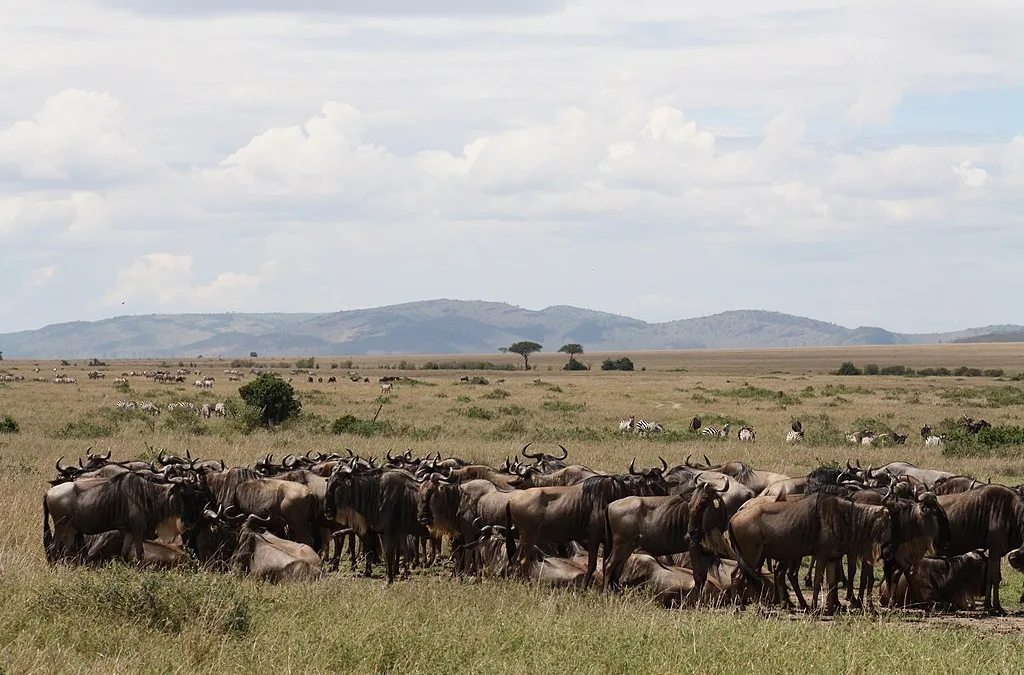
Maasai Mara is best known for the annual Great Migration, one of the most spectacular wildlife events in the world, where millions of wildebeests, zebras, and gazelles move between the Serengeti and the Mara. The reserve is also famous for its thriving populations of predators like lions, cheetahs, and leopards. Additionally, the Maasai culture contributes to the fame, with unique village visits and vibrant traditions that travelers can experience firsthand. Popular television shows have also contributed to its popularity - the most well-known show in this regard is the BBC Television show titled "Big Cat Diary" which was filmed in the Maasai Mara.
3. What is an Interesting Fact About Maasai Mara?
An interesting fact about Maasai Mara is that its name comes from the Maasai tribe and the word "Mara," which means "spotted" in the Maa language. This refers to the landscape, dotted with trees, scrub, and cloud shadows over the open savannah. The Maasai Mara was established in 1961 as a wildlife sanctuary, evolving into a National Reserve and one of Africa’s most significant conservation areas.
4. How Big is the Maasai Mara?
The Maasai Mara National Reserve covers approximately 1,510 square kilometers (583 square miles). It forms part of the larger Serengeti-Mara ecosystem, connecting with Tanzania’s Serengeti National Park to create an expansive wildlife haven. The varied landscape of plains, hills, and riverine forests provides a rich environment for the region’s iconic wildlife and plant species.
5. Where is the Maasai Mara Located?
The Maasai Mara is located in Narok County, Kenya, in the southwestern part of the country, near the border with Tanzania. The reserve is about a 5-6 hour drive from Nairobi or a quick 45-minute flight from the capital. As one of Kenya’s prime safari destinations, it is easily accessible, making it a top choice for travelers seeking wildlife and cultural experiences.
6. What Are the Maasai Mara National Reserve Entrance Fees?
The entrance fees for the Maasai Mara National Reserve vary based on visitor residency and location. For accurate and up-to-date fees, including costs for international visitors, residents, and citizens, please refer to this detailed breakdown of the Maasai Mara entrance fees. The page provides comprehensive information on different zones and age-based rates for planning your trip.
7. What Wildlife Can You See in Maasai Mara?
The Maasai Mara is home to a rich array of wildlife. The "Big Five" (lion, leopard, elephant, buffalo, and rhino) are the major attractions, but the reserve also hosts cheetahs, giraffes, zebras, hippos, and many more. The Mara River attracts crocodiles and hippos, while birdwatchers can spot over 450 bird species, including the lilac-breasted roller and secretary bird.
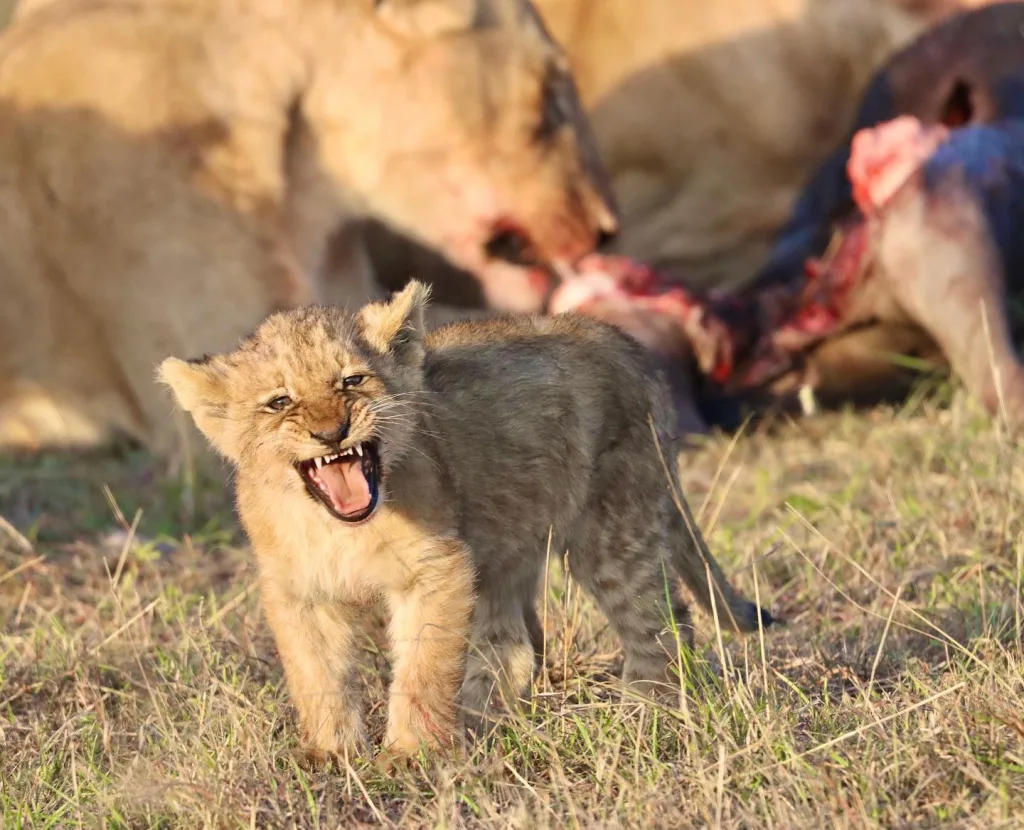
A pride of lions feeding
8. What Are the Best Times to Visit Maasai Mara?
The best times to visit depend on what you want to experience. The peak season, from July to October, coincides with the Great Migration and offers incredible wildlife viewing. However, the green season from November to June provides stunning scenery and fewer crowds. For detailed recommendations on the best times to visit Maasai Mara, consider factors like weather and wildlife activity.
9. Which Maasai Mara Packages Are Available?
There is a variety of Maasai Mara safari packages tailored to different preferences, whether you are looking for a luxury experience, a family adventure, or a budget-friendly option. Packages often include game drives, hot air balloon rides, cultural visits, and accommodations that range from high-end lodges to tented camps.
10. What Role Does the Maasai Tribe Play in the Reserve?
The Maasai tribe has a deep connection to the Maasai Mara, serving as the traditional custodians of the land. The Maasai are semi-nomadic pastoralists who have lived in harmony with the Mara’s ecosystem for generations. Cultural tours offer visitors insight into their daily life, traditions, and vibrant customs, allowing for a deeper understanding of the Maasai tribe's vital role in preserving the region.
11. Where Can You Stay in Maasai Mara?
Accommodation in Maasai Mara varies widely, from luxury lodges to tented camps and budget-friendly stays. Whether you’re looking for an exclusive lodge with panoramic views or a simple tented camp close to nature, there are options to suit every traveler’s taste and budget. Find top accommodation picks to make your stay memorable.
12. How Can You Access the Maasai Mara Map?
A Maasai Mara map is essential for understanding the reserve's layout, including its game drive circuits, accommodations, and entry points. Maps are often provided by lodges, tour operators, or online resources to help travelers navigate and plan their safari effectively. Having a detailed map helps you locate key attractions, such as the Mara River, where you can witness the Great Migration. Unfortunately, Google Maps and other similar digital maps do not carry detailed information and will often lead you on the wrong trail or provide misleading information concerning road motorability, flooding, and other detailed issues.
Ready to explore the beauty and culture of Maasai Mara? Make the most of your adventure by booking a 3-day luxury tented camp safari and experience the best of this iconic safari destination.
The Maasai Mara, also spelt as Masai Mara, is one of Africa's most iconic destinations, a stunning gem nestled in the heart of Kenya. For anyone looking to explore the best of Kenya’s wildlife and culture, a Maasai Mara safari is an unmatched experience. From thrilling game drives in the Maasai Mara National Reserve to cultural interactions with the Maasai people, there is no shortage of incredible things to do in Masai Mara.
Dive into our guide to make your Maasai Mara trip unforgettable, whether you are exploring the reserve or immersing yourself in the local traditions.
1. Maasai Mara Game Drives: The Classic Safari Experience
A Maasai Mara game drive is an essential part of any Masai Mara trip. These safaris allow you to explore the vast plains, teeming with wildlife like lions, elephants, rhinos, and cheetahs. Early morning and late afternoon drives offer the best chances to see wildlife in action, from predators on the hunt to the "Big Five" wandering freely. With knowledgeable guides leading the way, you’ll gain insights into the habits and habitats of these magnificent animals.
2. Hot Air Balloon Safari Over Maasai Mara
One of the most spectacular ways to experience the Masai Mara is from the sky. A hot air balloon safari offers breathtaking views of the sprawling savannah, the Mara River, and its diverse wildlife. At sunrise, the balloon takes flight, providing a serene and unparalleled perspective of the Maasai Mara National Reserve. Watching the animals from above as they roam freely is a truly unique experience, making this adventure one of the top things to do in Masai Mara.
3. Witness the Great Migration: Nature’s Grandest Show
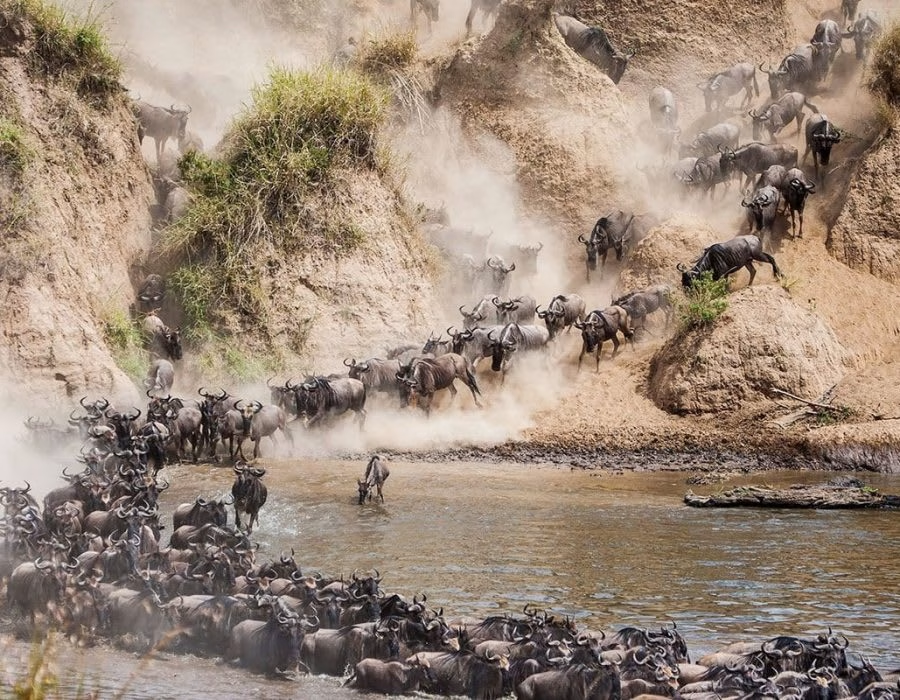
The Great Migration is one of the most breathtaking natural events in the world. Each year, millions of wildebeests, zebras, and antelopes make their way through the Maasai Mara from the Serengeti in search of greener pastures. This spectacle is best seen between July and October and is a must-see during a Masai Mara safari. The sight of these animals crossing the Mara River, often evading predators like crocodiles and big cats, is an awe-inspiring highlight of any Maasai Mara trip.
4. Visit a Maasai Village: A Cultural Journey
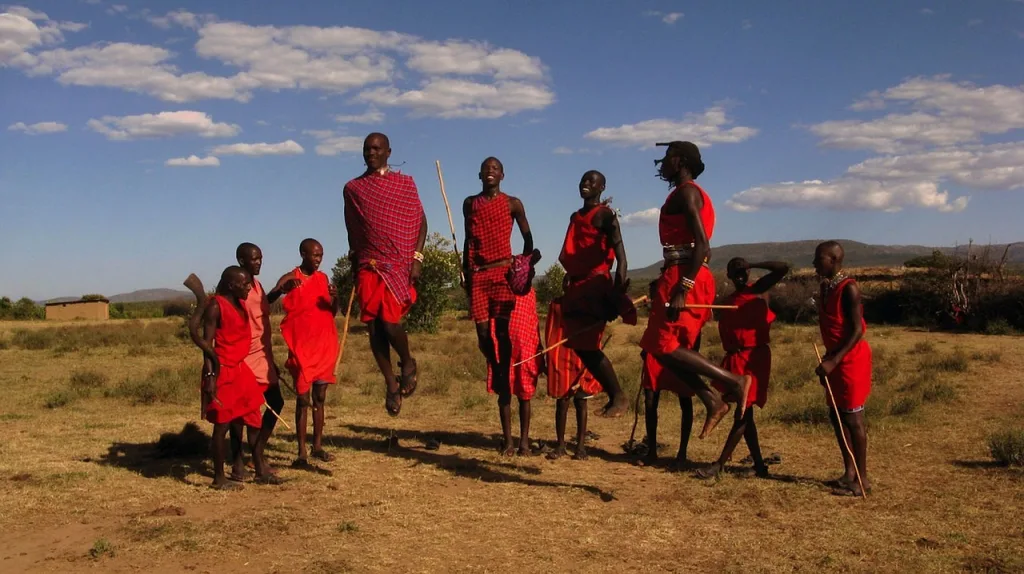
Beyond the wildlife, the Maasai Mara is home to the Masai people, who have a rich and vibrant culture. A visit to a Maasai village, or "Manyatta," gives you the opportunity to learn about their traditional way of life, including their customs, dance, and beadwork. This cultural encounter is a unique chance to understand the traditions that have been passed down for generations and form a deep connection with the land.
5. Explore the Maasai Mara National Reserve on Foot
For those seeking a more intimate connection with the wild, guided walking safaris in the Maasai Mara National Reserve offer a closer look at the region’s flora and fauna. Led by expert guides, these walks provide insights into the smaller details often missed on game drives—animal tracks, unique plants, and even the sounds of the savannah. Walking amidst the wildlife offers an exhilarating perspective, allowing visitors to fully immerse themselves in the beauty and complexity of Masai Mara.
6. Enjoy a Maasai Mara Sundowner: A Sunset to Remember
After an exciting day of exploring, a Masai Mara sundowner is the perfect way to unwind. As the sun sets over the expansive plains, enjoy a drink while taking in the picturesque landscape painted in hues of orange and gold. The peacefulness of the savannah during sunset is an experience that adds a touch of luxury to your Kenya safari, making it a memorable and relaxing end to your day’s adventure in the Maasai Mara.
7. Birdwatching in Maasai Mara: A Birder’s Paradise
While most people associate the Masai Mara with big game, it’s also a birdwatcher’s haven. The reserve is home to over 450 bird species, including the African fish eagle, lilac-breasted roller, and secretary bird. Whether you're a seasoned bird enthusiast or a casual observer, birdwatching in the Masai Mara adds an extra layer of excitement to your safari experience. Keep your binoculars ready during game drives or walks to spot some of the region’s most vibrant and rare bird species.
8. Experience a Night Game Drive in Masai Mara
While most game drives occur during the day, a night safari provides a completely different perspective. The Maasai Mara at night reveals a world rarely seen, as nocturnal animals like leopards, hyenas, and bush babies become active. Guided by spotlights, a night drive enhances the thrill of your Masai Mara trip and gives you a unique glimpse into the region's nightlife, making it a memorable addition to any Maasai Mara safari package.
9. Capture Stunning Photography of Maasai Mara’s Wildlife and Landscapes
The Maasai Mara is a paradise for photography enthusiasts, offering a canvas of breathtaking landscapes and wildlife moments. From capturing the majestic Big Five to panoramic shots of the endless savannah, every corner of the Masai Mara National Park offers opportunities for memorable shots. Early morning light or golden hour sunsets are perfect times to capture the magic of this place. A Masai Mara trip is incomplete without taking home photos that capture the essence of the Kenya safari experience.
10. Relax in Luxury Maasai Mara Accommodation
After thrilling days of exploration, the Masai Mara offers a range of luxurious accommodations to suit all preferences. From tented camps that immerse you in nature to high-end lodges with breathtaking views, there's an option for every traveler. Staying in a luxury tented camp allows you to experience the best of both comfort and adventure. Explore our recommended Maasai Mara accommodations to find the perfect place to unwind during your safari Kenya adventure.
11. Explore the Maasai Mara Conservancies: A More Intimate Safari
Adjacent to the Masai Mara National Reserve are private conservancies, offering a more exclusive and intimate safari experience. These conservancies have fewer visitors, allowing for a more peaceful wildlife viewing while supporting local Maasai communities. Activities such as guided walks, horseback safaris, and off-road game drives are common here, enhancing your connection with the environment. Visiting the conservancies provides a unique way to explore Masai Mara and complements the experience within the main reserve.
12. Discover the Mara River: Wildlife and Scenic Beauty
The Mara River is the lifeblood of the Masai Mara, attracting a variety of wildlife, including hippos, crocodiles, and elephants. During the Great Migration, the river becomes the focal point as herds of wildebeests and zebras attempt daring crossings. Exploring the banks of the Mara River is one of the top things to do in Kenya, offering a stunning mix of wildlife encounters and scenic beauty that showcases the essence of a Maasai Mara safari.
13. Helicopter Flights Over Maasai Mara: A Sky-High Safari Experience
One of the most exhilarating ways to explore Maasai Mara is through a scenic helicopter flight. These helicopter safaris provide an unparalleled view of the stunning landscape and wildlife, allowing travelers to experience the Maasai Mara from a bird's-eye perspective. A helicopter safari in Maasai Mara takes you over expansive savannahs, the Mara River, and even beyond, offering the chance to see hidden gems inaccessible by road.
Flight Options & Destinations Helicopter flights in Maasai Mara range from a 1-hour scenic trip over the reserve to a full-day adventure exploring various parts of Kenya. During these excursions, you can fly to different scenic destinations:
Aerial views of the Great Migration as wildebeests and zebras traverse the plains below.
A stopover at Loita Forest to visit prehistoric rock-carving caves.
A flight to Lake Magadi to witness its flamingo-filled waters.
A day trip to Lake Victoria, Africa’s largest lake, offering a serene and scenic experience
Highlights of the Experience Flying over the Maasai Mara provides breathtaking views of the landscape and wildlife, including elephants, lions, and hippos. Additionally, the helicopter allows flexibility in routing, providing opportunities to access remote spots, like the Nguruman Escarpment and Suswa Crater, not easily reached by ground safaris. These flights can be customized to include stops for refreshments and photo opportunities, making it a truly luxurious and exclusive experience
For an unforgettable Maasai Mara trip, consider adding a helicopter safari to enjoy panoramic views and create lifelong memories from the skies.
14. Conduct Wildlife Research: Get Hands-On with Conservation Efforts in Maasai Mara
For travelers passionate about conservation, conducting wildlife research in Maasai Mara offers a hands-on opportunity to contribute to the protection and understanding of the region's iconic species. The Maasai Mara is home to numerous endangered and significant animals such as leopards, hyenas, cheetahs, rhinos, and pangolins, making it an important destination for wildlife conservation research. By joining conservation programs, you can help track, monitor, and study these species in their natural habitats, gaining valuable insights into their behaviors, population dynamics, and the challenges they face.
Activities During a Research Safari Your time as a research volunteer might involve tracking and collecting data on specific animals using GPS collars, observing interactions between predators and prey, and assisting with conservation strategies designed to mitigate human-wildlife conflicts. These experiences offer an in-depth look at how conservation efforts are conducted on the ground and provide a deeper connection to the local environment.
Key Conservation Organizations in Maasai Mara
Mara Predator Conservation Programme (MPCP): This initiative focuses on preserving large carnivores, especially lions, cheetahs, and hyenas. It aims to reduce human-wildlife conflict and enhance predator conservation through research, monitoring, and community outreach.
Maasai Mara Wildlife Conservancies Association (MMWCA): MMWCA works to secure the Greater Maasai Mara ecosystem through sustainable practices that support biodiversity, local communities, and tourism efforts.
Mara Elephant Project (MEP): MEP is dedicated to the protection of elephants through anti-poaching efforts, collaring, and monitoring to prevent human-elephant conflict in the region.
Basecamp Explorer Foundation: This organization supports various conservation efforts, such as the Mara Naboisho Lion Project and habitat restoration initiatives through tree planting.
African Wildlife Foundation (AWF): AWF is involved in land-leasing agreements to extend protected areas and supports anti-poaching patrols and educational programs for conservation-related fields.
By collaborating with these organizations, travelers can contribute to significant efforts that aim to protect and preserve the Maasai Mara's unique biodiversity. Engaging in wildlife research provides educational experiences and plays a crucial role in the ongoing conservation of Kenya’s rich natural heritage.
Choose the Best Masai Mara Safari Packages for an Unforgettable Trip
When planning your adventure, it's important to select the right Masai Mara safari package. From short weekend getaways to longer expeditions, packages can be customized to fit any schedule and interest. For an immersive experience, consider the 3-day luxury tented camp safari, which combines game drives, wildlife viewing, and comfortable accommodations.
Welcome to the majestic Tsavo East National Park, a jewel in Kenya's wildlife crown and a must-visit destination for any safari enthusiast. As an expert tour operator, we at Campo EA Safaris are excited to guide you through the wonders of this vast wilderness, known for its unique landscapes, rich biodiversity, and thrilling safari experiences. Spanning over 13,700 square kilometers, Tsavo East is not only one of Kenya's oldest and largest parks but also a place where nature's drama unfolds in its most raw and captivating form. Whether you're a first-time visitor or a seasoned safari-goer, Tsavo East promises an adventure of a lifetime with its diverse range of activities.
Let's embark on a journey through the 15 must-do Tsavo East safari activities that will leave you with memories to cherish forever.
15 Unique Things to do on Your Tsavo East Safari
1. Tsavo East Safari: Wildlife Adventures
Embark on a journey through the heart of Tsavo East, where the iconic 'red' elephants roam alongside lions, leopards, and a plethora of other wildlife. These safaris offer an unparalleled opportunity to witness the untamed beauty of Africa's fauna in their natural habitat, creating moments that resonate with the true spirit of a safari.
2. Bird Watching Paradise on Your Tsavo East Safari
For bird enthusiasts, Tsavo East is nothing short of paradise. Home to over 500 bird species, including the rare Vulturine Guineafowl and the majestic Martial Eagle, the park offers a spectacular bird-watching experience. Whether you're an amateur or an avid birder, the avian wonders of Tsavo East will leave you in awe.
3. Discover the Lugard Falls
The Lugard Falls, named after the famous British explorer Frederick Lugard, is a series of white-water rapids on the Galana River. This spot is perfect for photography enthusiasts and nature lovers who seek to capture the essence of Tsavo's diverse landscapes, from the rugged terrain to the serene riverbanks.
4. Camping Adventures Under the Star
Experience the thrill of camping under the African sky, where the stars shine brighter and the night sounds of the wild become your lullaby. Tsavo East offers a range of camping experiences, from luxury tented camps to more rustic setups, all ensuring an unforgettable night in the heart of the wilderness.
5. Cultural Immersion with Local Communities
A visit to Tsavo East is incomplete without engaging with the local communities. Participate in cultural tours that offer a glimpse into the lives and traditions of the tribes living around the park. These interactions provide a deeper understanding and appreciation of the region's rich cultural heritage.
6. Guided Nature Walks
Take a guided nature walk through the diverse landscapes of Tsavo East. Led by experienced guides, these walks are not only a great way to explore the park's flora and fauna but also an opportunity to learn about the delicate balance of this unique ecosystem.
7. Exploring the Aruba Dam
The Aruba Dam, located on the Voi River, is a focal point for wildlife, especially during the dry season. It's an excellent location for game viewing and bird watching, offering a chance to see animals congregating in their natural environment.
8. Bush Dining and Sundowners
Enhance your Tsavo East safari experience with an exquisite bush dining and sundowner session. Enjoy a meal in the wild, surrounded by the sounds of nature, followed by a relaxing sundowner, watching the African sun dip below the horizon.
9. Photography Tours and Hiking Trails
For photography enthusiasts and hikers, Tsavo East offers a plethora of opportunities. Capture the stunning landscapes and wildlife through your lens or embark on a hiking adventure along the park's trails, each offering a unique perspective of this magnificent wilderness.
10. Mudanda Rock: A Natural Marvel
Mudanda Rock is a natural water catchment area that attracts a wide array of wildlife. This ancient rock formation serves as an excellent vantage point for wildlife viewing, especially during the dry season when animals flock to the waterhole.
11. Yatta Plateau: Geological Wonder
The Yatta Plateau, the world's longest lava flow, offers a unique geological exploration opportunity. Its elevated position provides panoramic views of the park, making it a perfect spot for landscape photography and sightseeing.
12. Galana River Adventures
The Galana River is a lifeline for Tsavo East's wildlife. Enjoy game viewing along its banks, where animals come to quench their thirst. The river's serene environment also makes it an ideal spot for relaxation and contemplation.
13. Kanderi Swamp: A Wildlife Oasis
The Kanderi Swamp is a lush wetland area within the park, attracting a variety of wildlife. It's a particularly great spot for bird watching and observing animals in a verdant setting, contrasting with the park's otherwise arid landscape.
14. Historical Sites: The Tsavo Man-Eaters
Delve into the intriguing history of the Tsavo Man-Eaters. Visit the sites related to these legendary lions, which played a significant role in the region's history, adding a historical dimension to your safari experience.
15. Ngulia Rhino Sanctuary
The Ngulia Rhino Sanctuary is dedicated to the conservation of the endangered black rhino. This sanctuary offers a rare opportunity to see these magnificent creatures up close, contributing to the conservation efforts for this critically endangered species.
Embark on Your Tsavo East Safari Adventure
Tsavo East National Park is a world brimming with wonders, each corner telling a story of nature's majesty and the wild heart of Kenya. From the adrenaline-pumping wildlife safaris to the serene moments by the Galana River, every experience in Tsavo East is a chapter in your personal adventure book. As you plan your journey, remember that Campo EA Safaris is dedicated to crafting not just a trip, but a treasure trove of memories that will last a lifetime.
For those seeking an even more immersive experience, our 15-Day Rare Mammals Safari is a perfect choice. This meticulously curated itinerary takes you beyond Tsavo East, offering encounters with some of Africa's most elusive and enchanting wildlife. It's an expedition that promises to deepen your connection with the natural world in ways you've never imagined.
And if you're wondering where to stay during your Tsavo East adventure, explore our handpicked selection of accommodations. From luxurious lodges to eco-friendly camps, we have options that cater to every taste and preference. Discover the perfect place to rest and rejuvenate after a day full of exploration by visiting our Tsavo East Accommodation page.
At Campo EA Safaris, we believe every safari is a personal journey. Let us guide you through the breathtaking landscapes of Tsavo East National Park, where every moment is a step into the extraordinary. Contact us today, and let's turn your dream safari into a reality. The adventure of a lifetime awaits!
When it comes to honeymoons, classic destinations like tropical beaches and European cities often come to mind. However, for couples seeking a unique blend of adventure and romance, a honeymoon safari offers an unparalleled experience. Imagine waking up to the sounds of the African wilderness, spending your days spotting majestic wildlife, and your evenings under a canopy of stars. This is not just a holiday; it's an expedition into the wild, punctuated by moments of intimacy and romance. In this comprehensive guide, we delve into a plethora of activities that will make your honeymoon safari not just memorable but truly one-of-a-kind.
When it comes to wildlife safaris, Kenya offers a rich tapestry of experiences that go far beyond the traditional game drive in a rugged 4x4 vehicle. Each park and conservancy in Kenya provides a unique setting for wildlife encounters, making your honeymoon safari an immersive experience.
The Great Migration: Nature's Grand Theater in the Maasai Mara
The Maasai Mara is the grand stage for the Great Migration, one of nature's most awe-inspiring spectacles. This high-stakes gamble for survival involves over 1.5 million wildebeest, zebras, and gazelles navigating treacherous river crossings and evading predators. Witnessing this event is akin to watching a live-action nature documentary, but with an intensity that no screen can capture.
Amboseli: The Elephant Haven
Amboseli National Park is renowned for its elephant populations and the majestic backdrop of Mount Kilimanjaro. Here, you can get up close with these gentle giants and learn about conservation efforts aimed at protecting them.
Ol Pejeta: A Conservation Success Story
Ol Pejeta Conservancy offers a profound journey into the heart of Kenya's rich cultural tapestry and is home to the last two northern white rhinos. The conservancy's focus on sustainable tourism and community involvement makes it a must-visit.
Beyond the 4x4: Alternative Safari Experiences
While game drives are the cornerstone of any safari experience, Kenya offers alternative ways to engage with the wilderness. Walking safaris, night safaris, and even boating safaris in places like Lake Naivasha provide a different perspective on the African bush.
Conservation Efforts: Safeguarding the Future
Kenya takes its role as a custodian of its natural heritage seriously. Numerous conservancies and community projects aim to protect the ecosystem and promote sustainable tourism. When you embark on a safari in Kenya, you're not just a spectator; you're a participant in a larger effort to preserve one of the world's most extraordinary natural habitats.
A wildlife safari in Kenya is not merely a game drive; it's an immersive experience that offers a multifaceted view of Africa's rich biodiversity and cultural heritage. Whether you're a first-timer or a seasoned safari-goer, Kenya provides a range of experiences that promise to leave you spellbound.
Water-Based Adventures in Kenya
While Kenya's savannahs and forests often steal the spotlight, the country's rivers, lakes, and coastal regions offer many water-based activities that can add a unique dimension to your honeymoon safari.
Boating Safaris in Lake Naivasha
Lake Naivasha, located in the Great Rift Valley, is an ideal location for boating safaris. As you glide through the freshwater lake, you'll have the opportunity to see hippos, various bird species, and even giraffes and zebras on the shores. The tranquil setting of the lake makes it a perfect backdrop for romantic moments.
Fishing Expeditions in Lake Victoria
Lake Victoria, Africa's largest lake, offers an exciting fishing experience. Whether you're a novice or an experienced angler, the lake is rich in Nile perch and tilapia. Some lodges and camps around the lake offer fishing expeditions, complete with the option to cook your catch for a memorable culinary experience.
Snorkeling and Scuba Diving in Diani Beach
Diani Beach, located along Kenya's southern coast, is a paradise for underwater adventures. The coral reefs are teeming with marine life, offering an excellent opportunity for snorkeling and scuba diving. The crystal-clear waters and vibrant marine ecosystems make this a must-visit for couples looking for an aquatic adventure.
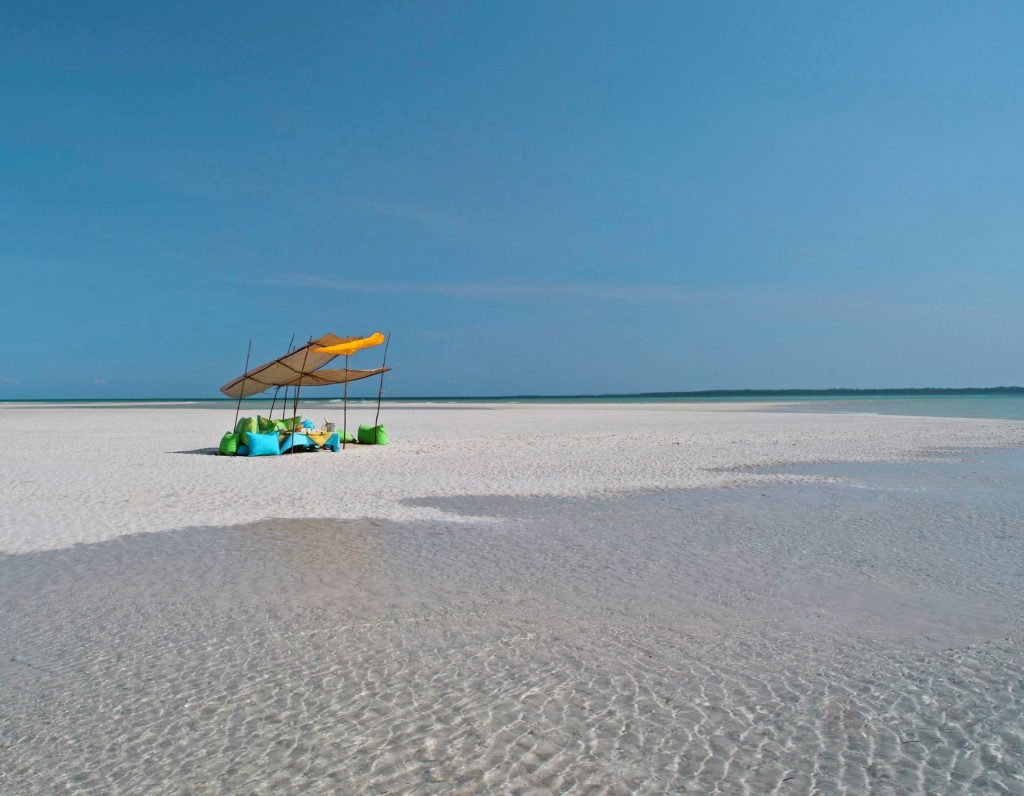
Pristine White Beach
Kayaking and Canoeing in Tana River
The Tana River is Kenya's longest river and offers a unique kayaking and canoeing experience. Navigate through the river's twists and turns, surrounded by lush vegetation and the calls of local bird species. It's an intimate and active way to explore Kenya's diverse landscapes.
By incorporating water-based adventures into your honeymoon safari, you not only diversify your experience but also add layers of excitement and romance. Kenya's diverse aquatic landscapes offer something for every adventurous couple.
Culinary Experiences in the Wild: A Feast for the Senses
While the wildlife and landscapes are the main attractions of a Kenyan safari, the culinary experiences can be equally memorable. Kenya offers a range of dining options that go beyond the typical campfire meals, adding a gastronomic layer to your honeymoon safari.
Bush Dining: A Meal with a View
Imagine dining in the middle of the savannah with nothing but the sounds of nature as your background music. Bush dining is a popular option in many Kenyan safari lodges, where a private table is set up in a secluded spot, offering a unique and romantic dining experience.
The Carnivore Restaurant: A Meat Lover's Paradise
Located in Nairobi, The Carnivore Restaurant is a must-visit for meat enthusiasts. Offering a range of meats from the ordinary to the exotic, this restaurant provides a unique culinary adventure. While not strictly a safari experience, it's a perfect stop for those flying in or out of Nairobi and looking to kickstart or conclude their safari journey with a gastronomic bang.
Private Chef Experiences: Tailored to Your Tastes
Some luxury safari lodges offer the services of a private chef who can tailor meals to your specific preferences. Whether you're celebrating a special occasion or want to enjoy a personalized dining experience, a private chef adds an extra layer of luxury to your safari.
Local Cuisine: A Taste of Authentic Kenya
Don't miss the opportunity to try local Kenyan dishes like Ugali, Sukuma Wiki, and Nyama Choma. Many lodges offer these as part of their menu, giving you a taste of the local culture. It's a culinary journey that complements the visual and experiential aspects of your safari.
The culinary experiences available on a Kenyan safari offer more than just sustenance; they provide a feast for all the senses, adding an extra layer of richness to your honeymoon safari adventure.
Sky Adventures: Elevate Your Safari Experience
When it comes to honeymoon safaris in Kenya, the sky is not just a limit but a playground. From hot air balloon rides to skydiving, Kenya offers a range of sky adventures that can add an adrenaline rush to your romantic getaway.
Hot Air Balloon Rides Over the Masai Mara
One of the most iconic sky adventures you can experience in Kenya is a hot air balloon ride over the Masai Mara. This activity offers a unique and breathtaking perspective of Kenya's most famous national park. As you float above the sprawling savannahs, you'll have the opportunity to witness the Great Migration, especially if you visit between July and October. The experience often culminates in a champagne breakfast in the bush, adding a touch of luxury to your adventure.
Paragliding Over the Great Rift Valley
For those seeking a more adrenaline-pumping experience, paragliding over the Great Rift Valley offers an unparalleled view of this geological wonder. Kerio Valley and Iten are popular spots for paragliding, providing a thrilling experience as you soar over the escarpments and valleys below.
Skydiving at Diani Beach
If you're looking to take the plunge in more ways than one, skydiving at Diani Beach is an option. This coastal paradise offers skydiving experiences where you can freefall over the azure waters of the Indian Ocean, providing an exhilarating addition to your honeymoon itinerary.
Microlight Flights in Naivasha
For a more intimate aerial experience, consider microlight flights in Naivasha. These small, lightweight aircraft offer an open cockpit experience, allowing you to feel the wind in your hair as you soar over Lake Naivasha and the surrounding landscapes.
Helicopter Safaris from Nairobi
For those who prefer a more luxurious sky adventure, helicopter safaris can be arranged from Nairobi. These flights offer the convenience of reaching remote safari destinations quickly, providing an exclusive and intimate experience. Popular routes include flights over Mount Kenya, the Aberdare Ranges, and even the remote northern frontier.
A helicopter overflying a lake on Mount Kenya.
Sky Adventures offer a unique blend of excitement, romance, and luxury, making them a must-try experience during your honeymoon safari in Kenya.
Cultural Immersion: Connect with Kenya's Rich Heritage
Cultural experiences on a honeymoon safari in Kenya offer a unique opportunity to connect with the local communities and traditions, adding depth to your adventure.
Visiting Maasai Villages Near Amboseli and Maasai Mara
A visit to a Maasai village near Amboseli or the Maasai Mara offers an authentic experience of Kenya's most famous indigenous community. Witness traditional dances, learn about Maasai customs, and even participate in craft workshops.
Traditional Dance Performances in Nairobi and Mombasa
Many lodges and cultural centers in Nairobi and Mombasa offer traditional dance performances. These dances, often accompanied by local instruments, offer a captivating glimpse into the diverse cultures that make up Kenya.
Craft Workshops and Curio Shops in Nairobi, and the Beads Museum at Sekenani
For those interested in arts and crafts, Nairobi offers a rich tapestry of opportunities. The city has numerous curio shops where you can find intricately crafted items, from wooden sculptures to Maasai beadwork. These shops not only offer a chance to purchase unique souvenirs but also to understand the craftsmanship that goes into making them.
In addition to curio shops, Nairobi also offers workshops where you can get hands-on experience in traditional Kenyan crafts. Whether it's pottery, beadwork, or even musical instruments, these workshops provide a deeper understanding of the cultural significance behind each craft.
For a specialized experience, the Beads Museum at Sekenani near the Maasai Mara offers a deep dive into the world of beadwork. This museum showcases the history, significance, and variety of beadwork in Maasai culture. It's an enlightening experience that adds cultural depth to your honeymoon safari.
Historical Site Visits in Lamu and Mombasa
Kenya is rich in history, and visiting historical sites like the Fort Jesus in Mombasa or the ancient town of Lamu can add a historical dimension to your honeymoon safari.
Special Packages: Tailored for Your Unique Experience
Campo EA Safaris offers a range of special packages custom-designed to make your honeymoon safari an unforgettable experience.
Rift Valley Package in Spanish
For Spanish-speaking couples, we offer a special Rift Valley package entirely in Spanish. This package allows you to explore the geological marvel that is the Great Rift Valley, guided by our Spanish-speaking owner/guide, Julius.
Luxury Honeymoon Packages
For those looking for the ultimate in luxury and exclusivity, our luxury honeymoon packages offer top-of-the-line accommodations, private safaris, and personalized services to make your honeymoon truly special.
Adventure Packages
If you and your partner are thrill-seekers, our adventure packages are designed for you. These packages include a mix of activities like hot air ballooning, paragliding, and even white-water rafting to add an adrenaline rush to your romantic getaway.
Plan Your Adventure-Filled, Romantic Honeymoon Safari
A honeymoon safari with Campo EA Safaris offers an unparalleled blend of adventure and romance. From the thrill of wildlife safaris to the serenity of water adventures, from the richness of cultural immersion to the exclusivity of special packages, the options are as diverse as they are enriching. Each activity and package is designed to offer a unique experience, ensuring that your honeymoon is not just a trip but a lifetime memory.
Don't just dream about an extraordinary honeymoon; make it a reality with Campo EA Safaris. Our range of activities and special packages are tailored to suit your interests and needs, ensuring that your honeymoon safari is as unique as your love story.
Ready to turn your dream honeymoon into a reality? Don't miss our exclusive 14-day "Honeymoon Safari of a Lifetime" package, meticulously designed to offer you and your partner an unparalleled blend of romance, adventure, and luxury. From the breathtaking landscapes of the Masai Mara to the serene beaches of Diani, this safari promises to be an unforgettable journey.
FAQs
What are some common questions about activities on a honeymoon safari?
Is it possible to customize my activity list?
Absolutely, Campo EA Safaris offers the flexibility to customize your activity list to match your interests and preferences.
How far in advance should I book special activities like hot air ballooning or helicopter safaris?
Due to the popularity of these activities, it's advisable to book at least a few months in advance, especially during peak seasons.
Are the special packages all-inclusive?
Our special packages are designed to offer a comprehensive experience, but it's best to consult with us for specific inclusions and exclusions.
What safety measures are in place for adventure activities?
Safety is our top priority. All adventure activities are conducted under the supervision of certified professionals, and all necessary safety gear is provided.
Can I combine different types of activities in one package?
Yes, our adventure packages are flexible and can be tailored to include a mix of wildlife safaris, water adventures, and cultural experiences.












Recent Comments