

14 Unforgettable Things to Do in Maasai Mara
The Maasai Mara, also spelt as Masai Mara, is one of Africa's most iconic destinations, a stunning gem nestled in the heart of Kenya. For anyone looking to explore the best of Kenya’s wildlife and culture, a Maasai Mara safari is an unmatched experience. From thrilling game drives in the Maasai Mara National Reserve to cultural interactions with the Maasai people, there is no shortage of incredible things to do in Masai Mara.
Dive into our guide to make your Maasai Mara trip unforgettable, whether you are exploring the reserve or immersing yourself in the local traditions.
1. Maasai Mara Game Drives: The Classic Safari Experience
A Maasai Mara game drive is an essential part of any Masai Mara trip. These safaris allow you to explore the vast plains, teeming with wildlife like lions, elephants, rhinos, and cheetahs. Early morning and late afternoon drives offer the best chances to see wildlife in action, from predators on the hunt to the "Big Five" wandering freely. With knowledgeable guides leading the way, you’ll gain insights into the habits and habitats of these magnificent animals.
2. Hot Air Balloon Safari Over Maasai Mara

One of the most spectacular ways to experience the Masai Mara is from the sky. A hot air balloon safari offers breathtaking views of the sprawling savannah, the Mara River, and its diverse wildlife. At sunrise, the balloon takes flight, providing a serene and unparalleled perspective of the Maasai Mara National Reserve. Watching the animals from above as they roam freely is a truly unique experience, making this adventure one of the top things to do in Masai Mara.
3. Witness the Great Migration: Nature’s Grandest Show

The Great Migration is one of the most breathtaking natural events in the world. Each year, millions of wildebeests, zebras, and antelopes make their way through the Maasai Mara from the Serengeti in search of greener pastures. This spectacle is best seen between July and October and is a must-see during a Masai Mara safari. The sight of these animals crossing the Mara River, often evading predators like crocodiles and big cats, is an awe-inspiring highlight of any Maasai Mara trip.
4. Visit a Maasai Village: A Cultural Journey
Beyond the wildlife, the Maasai Mara is home to the Masai people, who have a rich and vibrant culture. A visit to a Maasai village, or "Manyatta," gives you the opportunity to learn about their traditional way of life, including their customs, dance, and beadwork. This cultural encounter is a unique chance to understand the traditions that have been passed down for generations and form a deep connection with the land.
5. Explore the Maasai Mara National Reserve on Foot
For those seeking a more intimate connection with the wild, guided walking safaris in the Maasai Mara National Reserve offer a closer look at the region’s flora and fauna. Led by expert guides, these walks provide insights into the smaller details often missed on game drives—animal tracks, unique plants, and even the sounds of the savannah. Walking amidst the wildlife offers an exhilarating perspective, allowing visitors to fully immerse themselves in the beauty and complexity of Masai Mara.
6. Enjoy a Maasai Mara Sundowner: A Sunset to Remember

After an exciting day of exploring, a Masai Mara sundowner is the perfect way to unwind. As the sun sets over the expansive plains, enjoy a drink while taking in the picturesque landscape painted in hues of orange and gold. The peacefulness of the savannah during sunset is an experience that adds a touch of luxury to your Kenya safari, making it a memorable and relaxing end to your day’s adventure in the Maasai Mara.
7. Birdwatching in Maasai Mara: A Birder’s Paradise
While most people associate the Masai Mara with big game, it’s also a birdwatcher’s haven. The reserve is home to over 450 bird species, including the African fish eagle, lilac-breasted roller, and secretary bird. Whether you're a seasoned bird enthusiast or a casual observer, birdwatching in the Masai Mara adds an extra layer of excitement to your safari experience. Keep your binoculars ready during game drives or walks to spot some of the region’s most vibrant and rare bird species.
8. Experience a Night Game Drive in Masai Mara
While most game drives occur during the day, a night safari provides a completely different perspective. The Maasai Mara at night reveals a world rarely seen, as nocturnal animals like leopards, hyenas, and bush babies become active. Guided by spotlights, a night drive enhances the thrill of your Masai Mara trip and gives you a unique glimpse into the region's nightlife, making it a memorable addition to any Maasai Mara safari package.
9. Capture Stunning Photography of Maasai Mara’s Wildlife and Landscapes
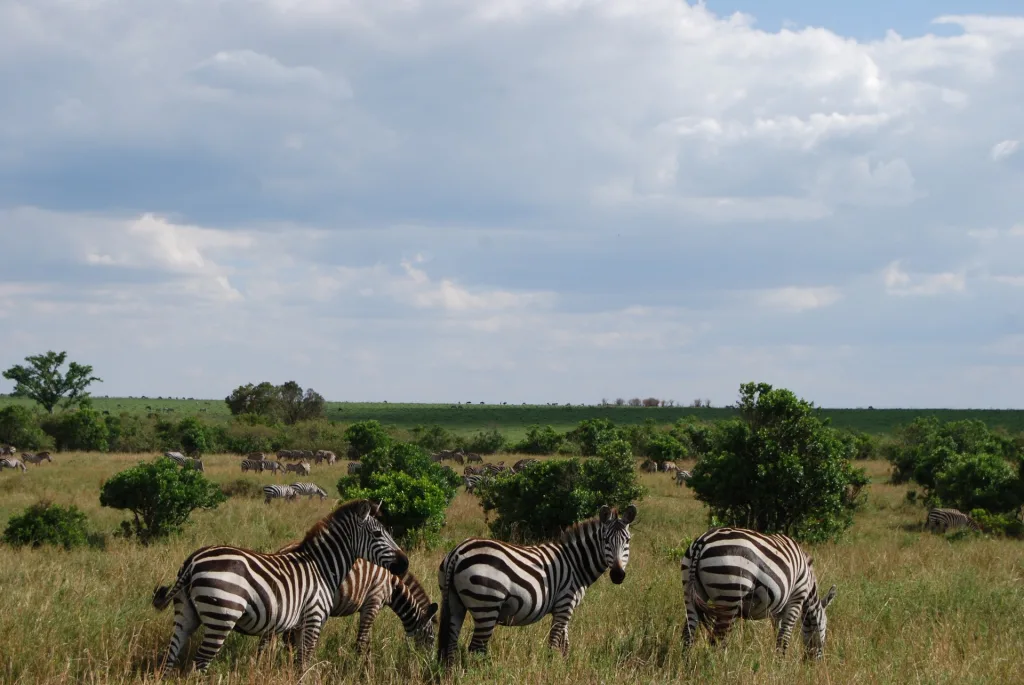
The Maasai Mara is a paradise for photography enthusiasts, offering a canvas of breathtaking landscapes and wildlife moments. From capturing the majestic Big Five to panoramic shots of the endless savannah, every corner of the Masai Mara National Park offers opportunities for memorable shots. Early morning light or golden hour sunsets are perfect times to capture the magic of this place. A Masai Mara trip is incomplete without taking home photos that capture the essence of the Kenya safari experience.
10. Relax in Luxury Maasai Mara Accommodation
After thrilling days of exploration, the Masai Mara offers a range of luxurious accommodations to suit all preferences. From tented camps that immerse you in nature to high-end lodges with breathtaking views, there's an option for every traveler. Staying in a luxury tented camp allows you to experience the best of both comfort and adventure. Explore our recommended Maasai Mara accommodations to find the perfect place to unwind during your safari Kenya adventure.
11. Explore the Maasai Mara Conservancies: A More Intimate Safari
Adjacent to the Masai Mara National Reserve are private conservancies, offering a more exclusive and intimate safari experience. These conservancies have fewer visitors, allowing for a more peaceful wildlife viewing while supporting local Maasai communities. Activities such as guided walks, horseback safaris, and off-road game drives are common here, enhancing your connection with the environment. Visiting the conservancies provides a unique way to explore Masai Mara and complements the experience within the main reserve.
12. Discover the Mara River: Wildlife and Scenic Beauty
The Mara River is the lifeblood of the Masai Mara, attracting a variety of wildlife, including hippos, crocodiles, and elephants. During the Great Migration, the river becomes the focal point as herds of wildebeests and zebras attempt daring crossings. Exploring the banks of the Mara River is one of the top things to do in Kenya, offering a stunning mix of wildlife encounters and scenic beauty that showcases the essence of a Maasai Mara safari.
13. Helicopter Flights Over Maasai Mara: A Sky-High Safari Experience
One of the most exhilarating ways to explore Maasai Mara is through a scenic helicopter flight. These helicopter safaris provide an unparalleled view of the stunning landscape and wildlife, allowing travelers to experience the Maasai Mara from a bird's-eye perspective. A helicopter safari in Maasai Mara takes you over expansive savannahs, the Mara River, and even beyond, offering the chance to see hidden gems inaccessible by road.

Flight Options & Destinations
Helicopter flights in Maasai Mara range from a 1-hour scenic trip over the reserve to a full-day adventure exploring various parts of Kenya. During these excursions, you can fly to different scenic destinations:
- Aerial views of the Great Migration as wildebeests and zebras traverse the plains below.
- A stopover at Loita Forest to visit prehistoric rock-carving caves.
- A flight to Lake Magadi to witness its flamingo-filled waters.
- A day trip to Lake Victoria, Africa’s largest lake, offering a serene and scenic experience
Highlights of the Experience
Flying over the Maasai Mara provides breathtaking views of the landscape and wildlife, including elephants, lions, and hippos. Additionally, the helicopter allows flexibility in routing, providing opportunities to access remote spots, like the Nguruman Escarpment and Suswa Crater, not easily reached by ground safaris. These flights can be customized to include stops for refreshments and photo opportunities, making it a truly luxurious and exclusive experience
For an unforgettable Maasai Mara trip, consider adding a helicopter safari to enjoy panoramic views and create lifelong memories from the skies.
14. Conduct Wildlife Research: Get Hands-On with Conservation Efforts in Maasai Mara
For travelers passionate about conservation, conducting wildlife research in Maasai Mara offers a hands-on opportunity to contribute to the protection and understanding of the region's iconic species. The Maasai Mara is home to numerous endangered and significant animals such as leopards, hyenas, cheetahs, rhinos, and pangolins, making it an important destination for wildlife conservation research. By joining conservation programs, you can help track, monitor, and study these species in their natural habitats, gaining valuable insights into their behaviors, population dynamics, and the challenges they face.
Activities During a Research Safari
Your time as a research volunteer might involve tracking and collecting data on specific animals using GPS collars, observing interactions between predators and prey, and assisting with conservation strategies designed to mitigate human-wildlife conflicts. These experiences offer an in-depth look at how conservation efforts are conducted on the ground and provide a deeper connection to the local environment.
Key Conservation Organizations in Maasai Mara
- Mara Predator Conservation Programme (MPCP): This initiative focuses on preserving large carnivores, especially lions, cheetahs, and hyenas. It aims to reduce human-wildlife conflict and enhance predator conservation through research, monitoring, and community outreach.
- Maasai Mara Wildlife Conservancies Association (MMWCA): MMWCA works to secure the Greater Maasai Mara ecosystem through sustainable practices that support biodiversity, local communities, and tourism efforts.
- Mara Elephant Project (MEP): MEP is dedicated to the protection of elephants through anti-poaching efforts, collaring, and monitoring to prevent human-elephant conflict in the region.
- Basecamp Explorer Foundation: This organization supports various conservation efforts, such as the Mara Naboisho Lion Project and habitat restoration initiatives through tree planting.
- African Wildlife Foundation (AWF): AWF is involved in land-leasing agreements to extend protected areas and supports anti-poaching patrols and educational programs for conservation-related fields.
By collaborating with these organizations, travelers can contribute to significant efforts that aim to protect and preserve the Maasai Mara's unique biodiversity. Engaging in wildlife research provides educational experiences and plays a crucial role in the ongoing conservation of Kenya’s rich natural heritage.
Choose the Best Masai Mara Safari Packages for an Unforgettable Trip
When planning your adventure, it's important to select the right Masai Mara safari package. From short weekend getaways to longer expeditions, packages can be customized to fit any schedule and interest. For an immersive experience, consider the 3-day luxury tented camp safari, which combines game drives, wildlife viewing, and comfortable accommodations.


Recent Comments