
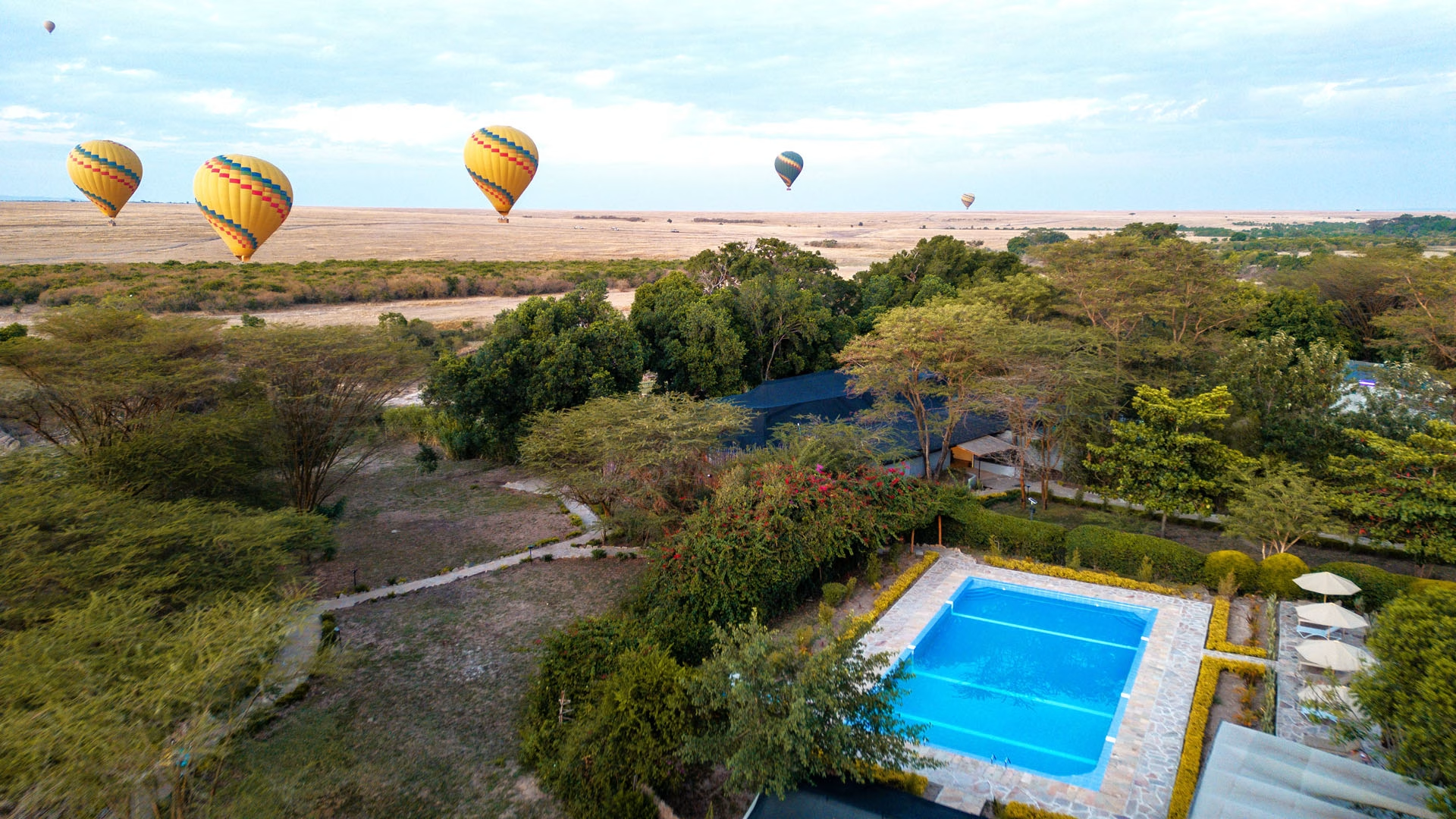
Choose the National Reserve for the broadest access to classic migration areas and choose a Masai Mara conservancy for a lower-density, more flexible safari with activities such as guided walks and night drives. For many luxury travellers in August, a split stay—two nights in each—offers the strongest balance of wildlife access, privacy and variety.
August is when expectations can become unhelpfully simple: Where will I see the migration? Which side is better? Will I avoid crowds? The better question is what kind of safari day you want—and what you are prepared to trade for it.

The Maasai Mara National Reserve and its surrounding conservancies are connected by wildlife, yet they operate under different access rules, accommodation models and game-viewing rhythms. The Reserve can make sense for travelers whose highest priority is time in the core Mara landscape. A conservancy can be the more satisfying choice for guests who value unhurried sightings, a smaller-camp atmosphere, and experiences beyond standard daylight game drives.
The Great Migration is broadly associated with the Mara from July through October, but its movements and river-crossing activity depend on rainfall and herd movements. No responsible itinerary should promise a crossing on a particular day. Magical Kenya’s Great Migration guide places the wider Mara migration period within this July–October season.
Masai Mara reserve vs conservancy
| Decision factor | Maasai Mara National Reserve | Private Mara conservancy |
|---|---|---|
| Best for | First-time visitors focused on classic Mara game drives and wide-ranging landscapes | Travelers prioritizing privacy, flexible pacing, and camp-based experiences |
| Wildlife | Exceptional resident wildlife and access to major Mara ecosystems | Exceptional resident wildlife; the precise experience varies by conservancy and location |
| Migration planning | Strong option for travelers who want access to traditional migration areas | Can complement Reserve time; access to the Reserve may require separate arrangements and fees |
| Vehicle experience | Expect busier periods at celebrated sightings in peak season | Usually lower-density through camp and vehicle limits, but never a guarantee of solitude |
| Driving rules | Daylight-only driving on designated tracks; no night drives or off-road driving | Rules vary, but selected conservancies permit guided walks, night drives and controlled off-road viewing |
| Accommodation | Camps and lodges in or near the Reserve | Usually smaller, conservation-linked camps in specific conservancy areas |
| Price drivers | Park-entry fees, camp tier, location, vehicle type and transfers | Conservancy fees, camp tier, vehicle arrangements, transfers and any Reserve-entry day |
The Reserve and conservancies should not be treated as a hierarchy. They are two different ways to experience the same greater ecosystem.
In the National Reserve, vehicles must remain on designated game-viewing tracks; off-road driving is prohibited and night drives are not allowed. The Reserve’s published rules also restrict access to licensed operators and registered vehicles. In selected private conservancies, camp guests may have access to guided walking safaris, night game drives and more flexible game-viewing rules—always subject to the conservancy, camp and guide’s operating standards.masaimara+1
Choose the Reserve for classic Mara access
The Maasai Mara National Reserve is often the right August booking for a first safari. Its sweeping plains, resident big cats and familiar migration geography make it an intuitive choice for travelers who want to spend as much daylight time as possible in the Mara’s best-known landscapes.
This does not mean that every day in the Reserve should be built around a river crossing. Wildebeest crossings are wildlife behavior, not a scheduled performance. Herds may cross at a different point, pause for days or move with changing weather. A well-designed August itinerary values the complete safari: lions on the plains, cheetah hunts, elephants, hippos, birdlife and the changing drama of migration movements.
Choose the Reserve if these priorities sound like yours:
- You are visiting the Mara for the first time and want broad access to classic game-drive areas
- Your travel dates are short, and you prefer to minimize transfers
- Your principal aim is daytime wildlife viewing rather than night activities
- You are willing to accept that popular sightings can draw more vehicles during peak August periods
- You would rather invest in a longer stay or a private vehicle than in conservancy-specific activities
A Reserve stay can also work especially well for families and multigenerational parties when the camp location, room configuration and vehicle format are suited to the group. The important distinction is between a camp inside or close to the Reserve and a camp that requires a long daily transfer to reach priority wildlife areas. Campo should confirm this before recommending a property.
For a focused short stay, explore Campo’s 3-day Maasai Mara luxury tented-camp package alongside the broader Maasai Mara destination guide.
Choose a Masai Mara conservancy
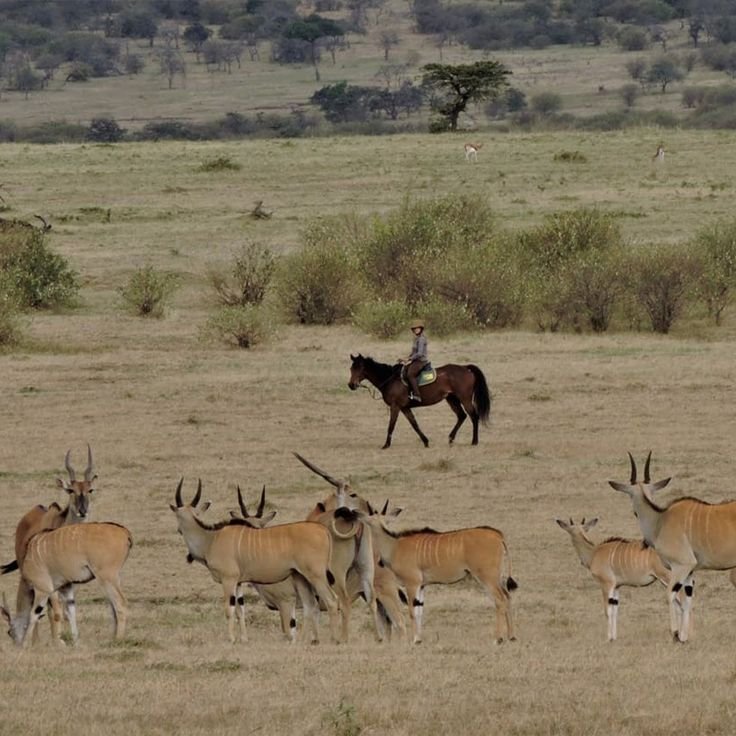
A Masai Mara conservancy is often the better fit for travelers who measure luxury by time, space and flexibility rather than by the size of a lodge. Conservancies are community-linked conservation areas surrounding the Reserve, with individual rules, camp limits and access arrangements.
The central benefit is not a promise of empty landscapes. August remains peak safari season, and wildlife sightings can attract vehicles anywhere. The advantage is that many conservancies operate with smaller camps and more controlled vehicle access than the busiest public areas. That can make a long leopard sighting, a quiet breakfast after a morning drive or an unhurried sundowner feel markedly different.
A conservancy stay may also unlock experiences unavailable in the main Reserve. The Reserve prohibits night drives and off-road driving, while selected conservancies may allow guided night drives, walks and controlled off-road wildlife viewing under their own regulations. These activities are not merely add-ons. They change the texture of a safari.masaimara+1
A night drive can reveal the Mara’s nocturnal life: the reflective eyes of a genet, the calls of hyena or the quieter behavior of predators after dark. A guided walk shifts attention from large mammals to tracks, grasses, insects and the knowledge of a local guide. Neither should replace daylight game drives; both can make a longer safari feel more complete.
A conservancy is likely to suit you if:
- You want a smaller, more intimate camp environment
- You value guided walks or night drives, where offered and appropriate
- Photography, flexible stops and patient wildlife observation are priorities
- You are planning a honeymoon, a private family safari or a special-interest trip
- You are comfortable comparing conservancy fees, Reserve-entry arrangements and camp location carefully
Campo’s Maasai Mara Conservancy glossary and Mara North Conservancy glossary explain the terminology. The more important planning step is matching the specific conservancy and camp to your travel priorities—not booking based on the word “conservancy” alone.
The strongest August choice: a hybrid stay
For many luxury travelers, the most complete August solution is neither Reserve-only nor conservancy-only. It is a hybrid itinerary.
A hybrid stay divides the trip between a Reserve-focused camp and a conservancy camp. It gives you time in the classic Mara landscapes while preserving the quieter rhythm and activity options of a private conservancy. It can also reduce the disappointment that comes from expecting one camp location to deliver every possible Mara experience.
A three-night itinerary
A three-night August safari is short, so simplify the routing.
Spend all three nights in either a Reserve-focused camp or a well-positioned conservancy camp. Choose the Reserve if migration-area access is the overriding priority. Choose a conservancy if privacy, guided activities, and a camp-based experience matter more. Avoid adding a mid-stay transfer simply to say that you slept in both places.
A four-night itinerary
Four nights can support a practical split stay:
- Two nights in a Reserve-focused camp for classic daylight game drives
- Two nights in a conservancy camp for quieter pacing, a night drive or guided walk where available
This works only if the transfer is efficient and does not consume an unreasonable part of the day. Campo should map the actual camp-to-camp journey, clarify whether the itinerary includes a private vehicle, and explain any additional Reserve-entry or conservancy fees before booking.
Five nights or more
With five or more nights, a hybrid itinerary becomes especially compelling. It creates room to follow wildlife conditions without racing between camps. It also allows more relaxed mornings, longer photographic sessions and a better chance to experience both the Reserve’s scale and the conservancy’s intimacy.
For travelers with more time, Campo can combine the Mara with another contrasting ecosystem, such as Amboseli National Park, rather than trying to make every Mara experience fit into two nights.
What changes the August quote
Two itineraries with the same number of nights can have very different prices. Ask for a comparison that shows the real drivers of value rather than a single headline rate.
Camp location and standard
A high-end tented camp in a prime conservancy may cost more than a larger lodge near a Reserve gate, but the comparison should account for drive time, inclusions, guest numbers and game-viewing access. “Luxury” is not a standardized category.
Conservancy and Reserve fees
Conservancy fees and National Reserve entry fees are distinct. A conservancy stay does not automatically mean Reserve access is included. Confirm each fee, the dates it applies to and whether a planned Reserve day requires an additional entry charge.
Private vehicle and guide
A private vehicle may be essential for photographers, young families, multigenerational groups or guests who want to determine their own pace. It can also be an unnecessary expense for travelers happy with a well-run shared vehicle. Ask how many guests are expected in the vehicle, whether every guest has a window seat, and whether your guide remains with you throughout.
Flights and transfers
August flights and airstrip transfers can be limited, particularly for preferred schedules. A fly-in itinerary may protect more wildlife-viewing time; a road transfer may offer better value for a broader Kenya circuit. The best option depends on the number of nights available—not simply on the flight price.
Inclusions
Request an itemized quote that identifies:
- Accommodation and meal basis
- Park and conservancy fees
- Scheduled or private game drives
- Domestic flights and airstrip transfers
- Drinks, laundry and gratuities
- Private-vehicle supplements
- Deposit, cancellation and quote-validity terms
Campo’s booking and cancellation policy should be reviewed before any deposit is paid, especially during a high-demand August travel period.
How to choose your Mara itinerary
Use this simple decision rule:
- Choose the National Reserve if your first priority is classic Mara daylight game viewing and you have a short stay.
- Choose a Masai Mara conservancy if you value intimacy, flexible safari rhythms and activities such as walks or night drives, where the individual conservancy permits them.
- Choose a hybrid stay if you have at least four nights, want both experiences and can keep the transfer efficient.
Most importantly, do not choose based on a guaranteed river crossing, a vague promise of “no crowds” or a generic label such as luxury camp. Choose based on where you will sleep, how long you will spend driving, what is included, how your vehicle is arranged, and which experiences matter to you.
Compare Reserve and Conservancy Itineraries
Tell Campo your August dates, group size, preferred room type, budget range and whether you prioritize migration viewing, photography, privacy, family flexibility or a fly-in safari. We will recommend a Reserve, conservancy or hybrid itinerary that fits the way you actually want to travel.
FAQs
Can conservancy guests enter the Maasai Mara National Reserve?
Often, yes, but the answer depends on the specific conservancy, camp, planned route and fee arrangement. Conservancy and Reserve fees are separate, so confirm whether Reserve entry is included in your itinerary or quoted as an additional cost.
Does a private conservancy guarantee fewer vehicles at wildlife sightings?
No. Conservancies often use lower-density models and can feel more private, but no operator can guarantee that you will be alone at an exceptional sighting. Ask Campo about the camp’s vehicle policy, guest capacity, and conservancy rules.
Where are Mara River crossings most likely in August?
The location and timing of crossings cannot be guaranteed. Herd movements respond to rainfall, grass conditions, and animal behavior. Plan an August safari around the full Mara wildlife experience rather than a promised crossing. The broader Mara migration season typically runs from July to October.
Are conservancy fees included in safari packages?
They may be included, excluded or separately listed depending on the itinerary. Ask for a date-specific quote that clearly separates accommodation, conservancy fees, National Reserve entry, flights, transfers, and any private-vehicle supplement