
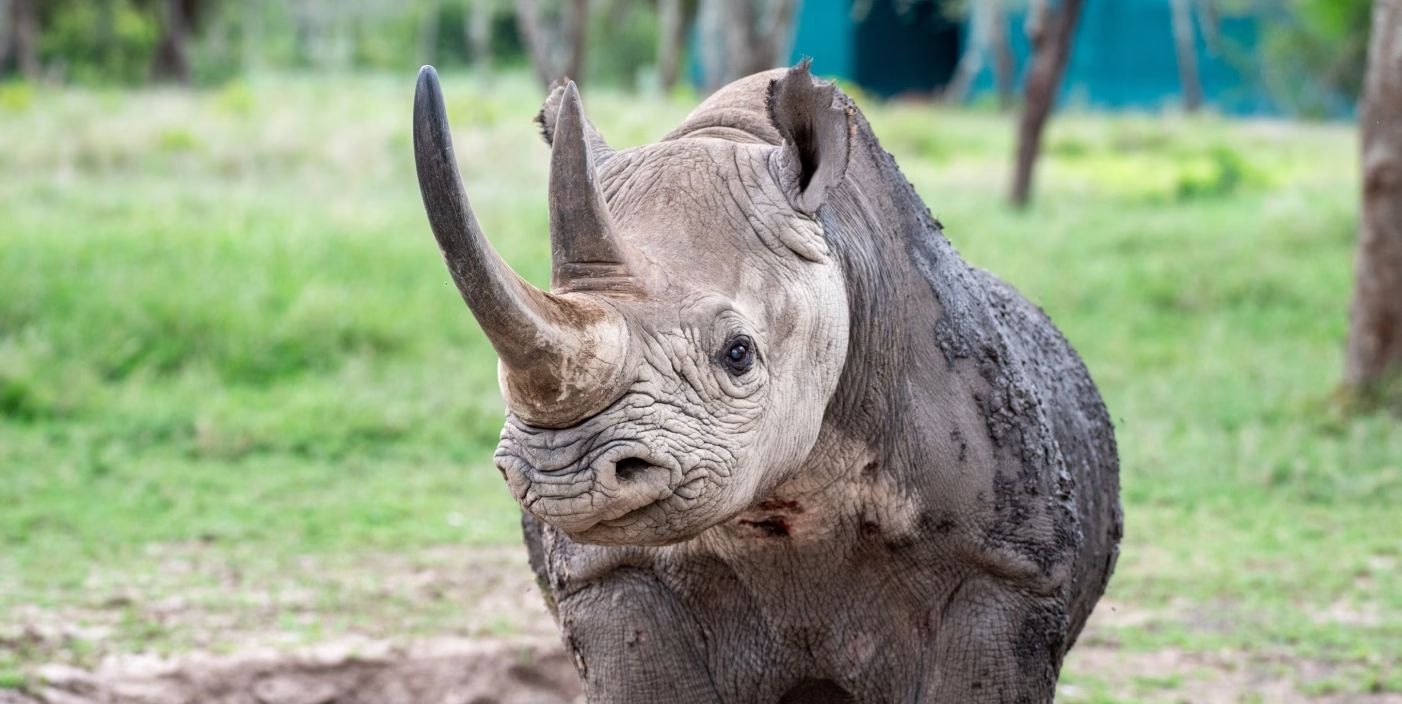
NANYUKI, Kenya — Baraka, the blind black rhino who became one of Ol Pejeta Conservancy’s most recognisable conservation ambassadors, died on the night of Saturday, August 15, aged 31.
Initial information received by Campo East Africa Safaris indicates that Baraka had been unwell and may have died of old age. However, the cause of death remains unconfirmed, pending an official statement or veterinary report from Ol Pejeta Conservancy.
The death, marks the loss of a rhino whose life told an unusual story of survival, specialised care and the close human stewardship required to protect Kenya’s most threatened wildlife.
Baraka’s life at Ol Pejeta
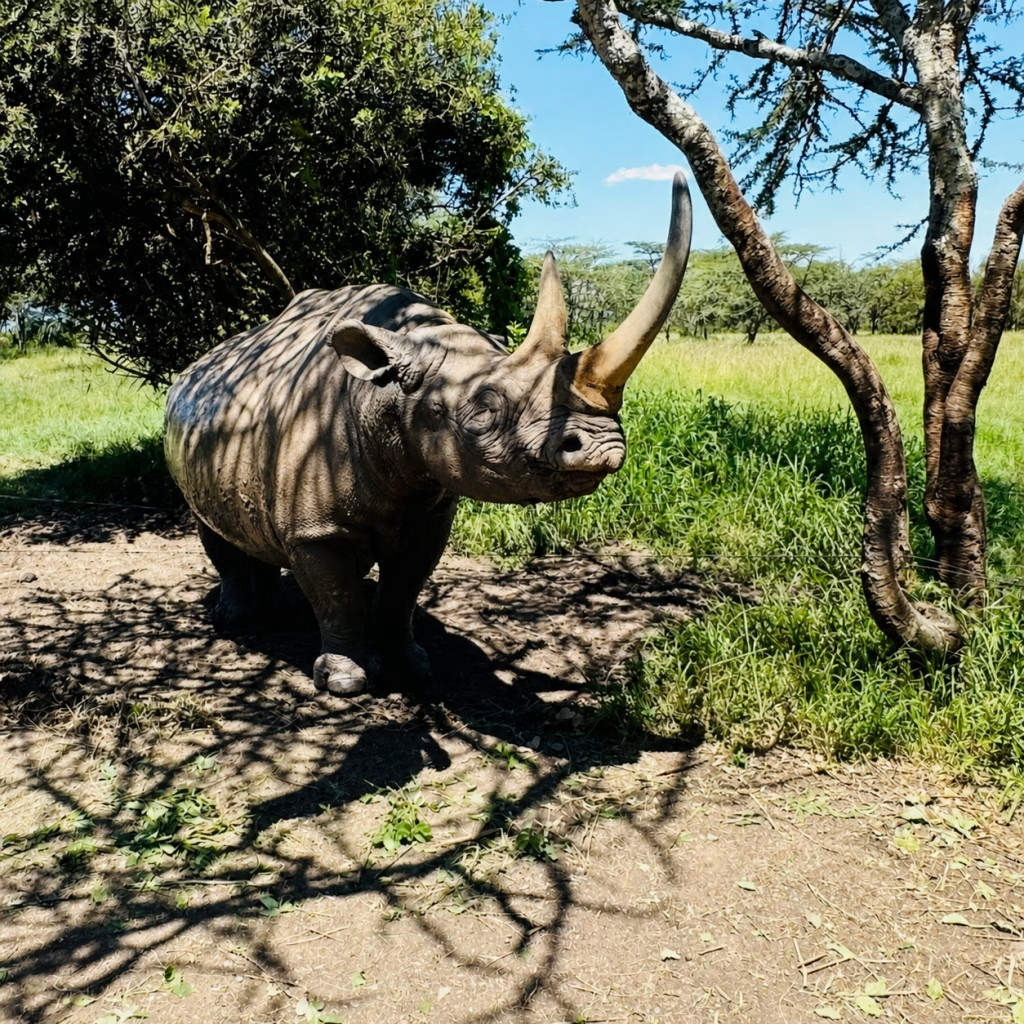
Baraka was born at Ol Pejeta on November 20, 1994, to a female rhino named Carol. He was among the first rhinos born on the conservancy’s plains and lived for years as a territorial male in its western sector.
His life changed in 2008, when he lost his right eye during a fight with another male rhino. He later developed cataracts in his remaining eye, leaving him completely blind. Unable to safely survive without sight in the wild, Baraka was moved into Ol Pejeta’s 100-acre Endangered Species Enclosure, where he received round-the-clock care and security.
Ol Pejeta described Baraka as an important ambassador for black-rhino conservation, known for helping visitors understand the vulnerability and resilience of the species. His enclosure placement gave him security while allowing conservancy teams to monitor his health closely. Ol Pejeta Conservancy’s Baraka profile records his rescue in 2008 and his move into managed care after blindness made independent survival impossible.
At the time of writing, Ol Pejeta’s public Baraka profile still lists him as 30 years old, although his November 1994 birth date means he was 31 at the time of his reported death.
Cause of death awaits confirmation
Campo East Africa Safaris understands that Baraka had been ailing in the period before his reported death. Early information suggests old age may have been a factor, but this has not been confirmed by Ol Pejeta Conservancy or wildlife authorities.
No official post-mortem findings, veterinary assessment or public announcement had been issued by Ol Pejeta at the time this article was prepared. Campo will update this report when the conservancy provides a formal statement.
A familiar figure for safari visitors
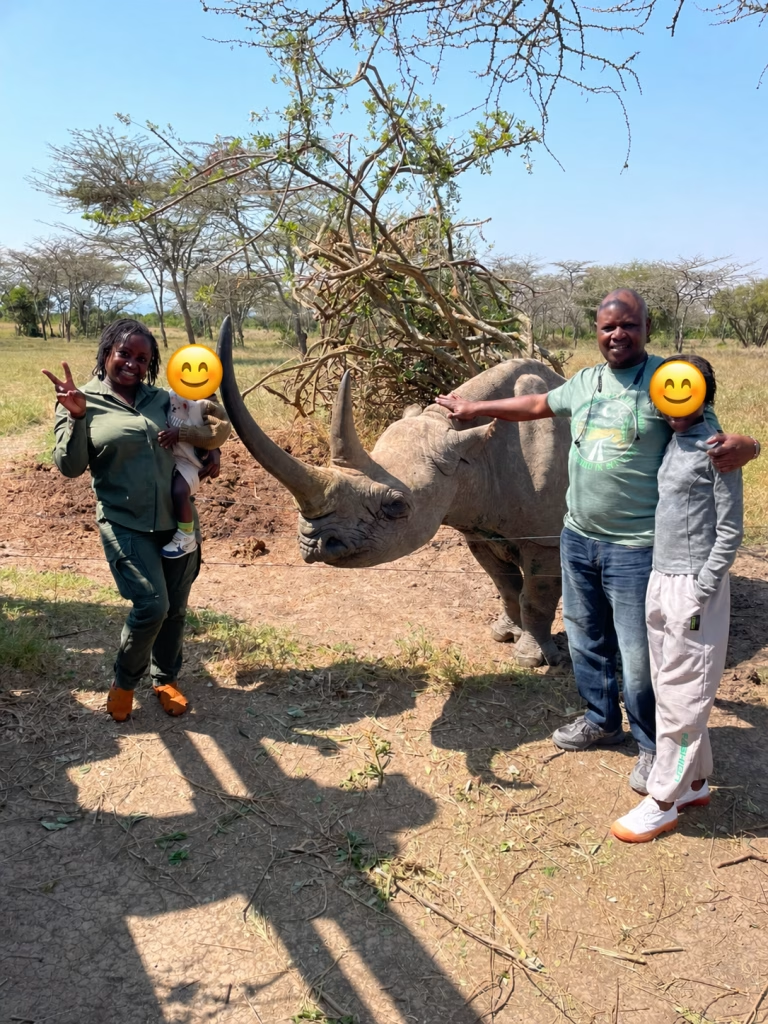
Unlike the rhinos that visitors may encounter only briefly on game drives, Baraka was one of the animals many people came to know by name. His blindness and long-term care made him a visible reminder that rhino conservation is not only about population numbers, anti-poaching patrols and protected landscapes, but also about individual animals.
His story also reflected the difficult decisions that conservancies make when an animal can no longer safely live on its own. Baraka’s care at the endangered-species enclosure allowed him to remain protected after losing both eyes, while continuing to introduce visitors to the challenges black rhinos face in Kenya and across Africa.
Visitors planning a Laikipia safari can explore our 2-day visit to Ol Pejeta, compare tailored Kenya safari packages or speak with Campo’s team.
Why Baraka’s death matters
Black rhinos remain listed as Critically Endangered on the IUCN Red List. Kenya Wildlife Service has said the country’s black-rhino recovery has made meaningful gains from the lows of the 1980s, but the species remains exposed to poaching, habitat pressure and climate-related threats such as drought.iucnredlist+1
Every individual rhino therefore carries significance beyond its own lifetime. Baraka did not represent a breeding programme alone; he represented public connection to a species whose survival still depends on secure habitat, trained wildlife teams, sustained conservation funding and vigilance against illegal wildlife trade. His reported death is a reminder that the protection of black rhinos remains a long-term responsibility—one measured not only in population statistics, but in the lives of animals such as Baraka.
Editor’s note: This is a developing report. Campo East Africa Safaris is reporting information received from a source close to Ol Pejeta Conservancy. Ol Pejeta Conservancy had not issued a public statement at publication. The reported cause of death has not been independently confirmed.