
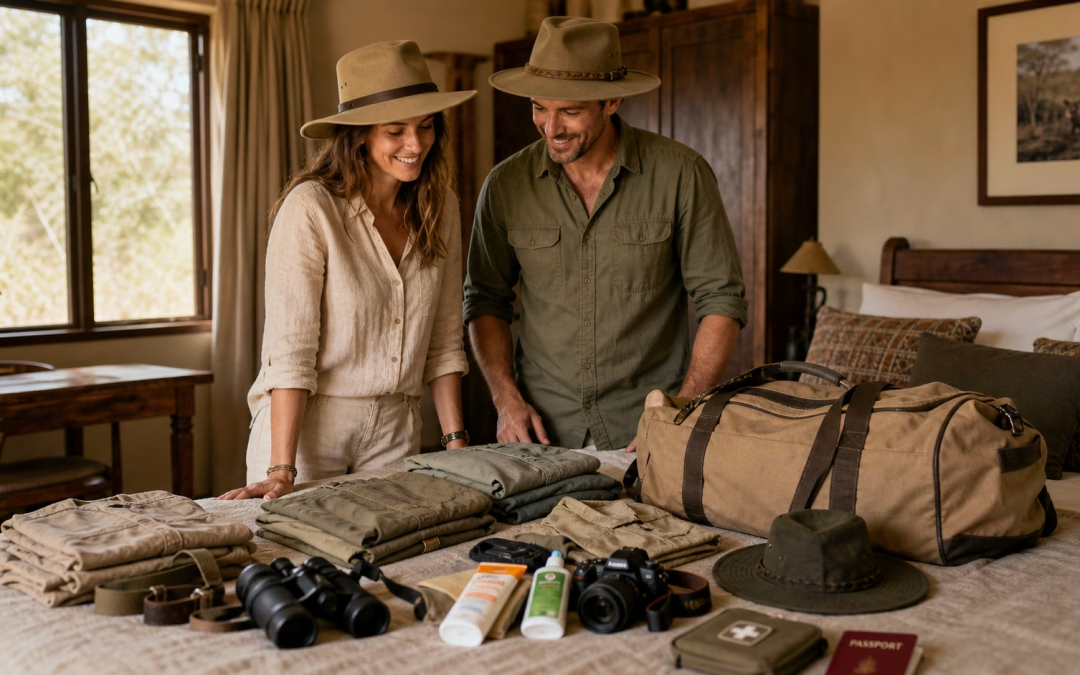
Kenya is one of those rare destinations that demands you pack for two completely different worlds at once. On Monday you could be rugged up against a 12°C pre-dawn chill on a game drive in the Masai Mara, scanning the horizon for lions. By Thursday you could be sweltering at 30°C on a white-sand beach in Mombasa, with nothing more pressing than choosing between snorkelling and a sundowner. Pack wrong, and you'll be uncomfortable, cold, sunburnt, or turned away at a park gate. Pack smart, and every experience flows seamlessly from one to the next.
This guide covers everything you need to know about what to pack when travelling to Kenya — from the correct safari clothes and footwear to health essentials, tech gear, travel documents, and money tips. Whether you're heading to the sweeping savannas of the Masai Mara, the elephant-filled plains of Amboseli, the wild bush of Nairobi National Park, or the sun-drenched shores of Mombasa, this comprehensive Kenya packing list has you covered.
Understanding Kenya's Climate Before You Pack
Before you throw a single item into your bag, understanding Kenya's climate is essential — because it will dictate nearly every packing decision you make.
Kenya straddles the equator, so climate varies dramatically by region, altitude, and time of year. The country experiences two dry seasons — June to October, and January to February — which are the most popular periods to visit. Wildlife congregates around watering holes during these months, making game viewing exceptional. Two rainy seasons bookend these dry windows: the long rains run from mid-March to May (April being the wettest month), while the short rains fall between November and December.
Even on a single safari itinerary, a traveller can experience chilly 12°C highland mornings and 30°C+ afternoons within the same day. Layering is everything. This is not a destination for a single-climate wardrobe.
| Destination | Typical Daytime | Morning/Evening | Key Note |
|---|---|---|---|
| Masai Mara | 25–30°C | 10–15°C | Dusty, cold pre-dawn game drives |
| Amboseli | 22–28°C | 10–14°C | Intense volcanic dust year-round |
| Nairobi / Nairobi NP | 20–26°C | 12–16°C | Cool nights; two rainy seasons |
| Mombasa Coast | 27–32°C | 24°C+ | Hot, humid, tropical year-round |
Before You Pack — Essential Documents & Entry Requirements
Your documents and health preparations are just as important as your clothes. Here is everything you need to organise before you set foot on the plane.
Kenya eTA (Electronic Travel Authorisation)
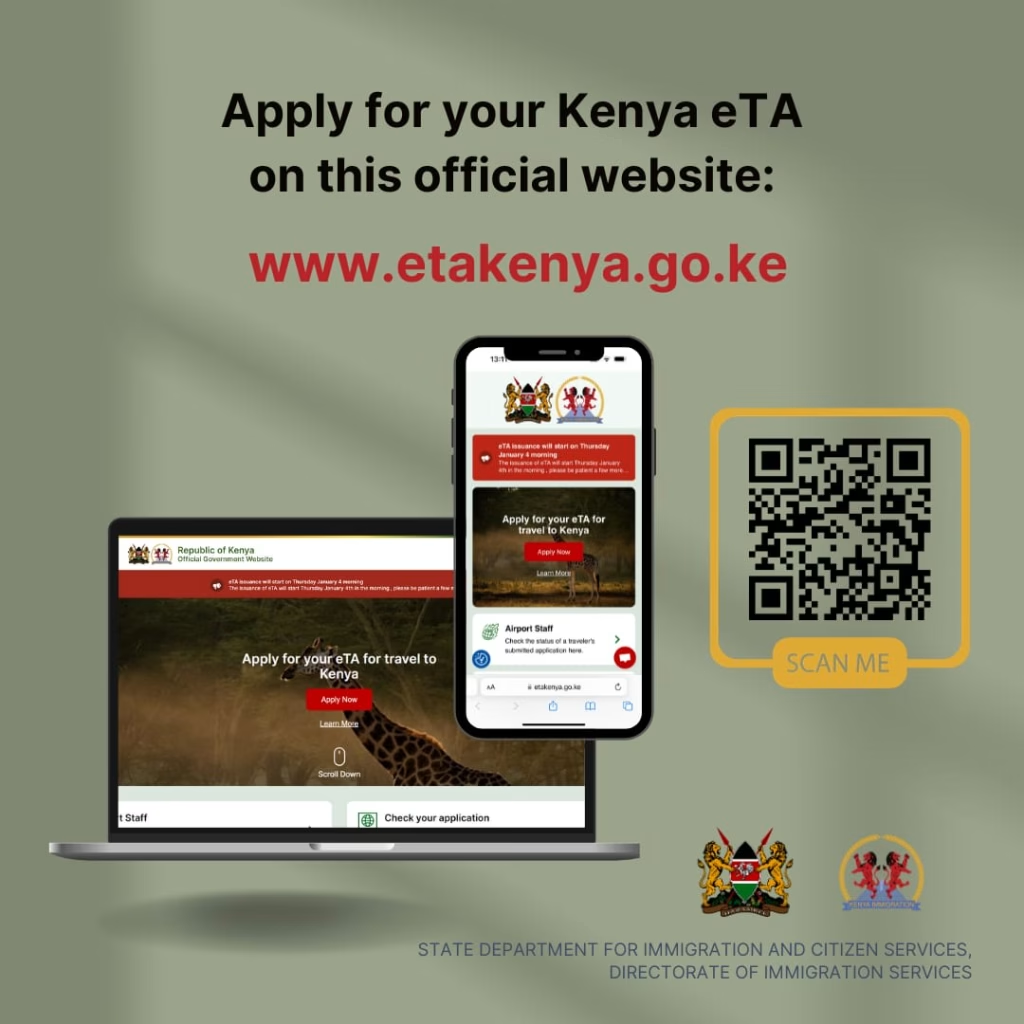
Kenya replaced the traditional visa-on-arrival system with an Electronic Travel Authorisation (eTA), mandatory for all nationalities — including US and UK passport holders. You must apply online before you travel at etakenya.go.ke.
Key eTA details:
- Cost: USD 32.50
- Processing time: 1–3 business days — apply at least 1–2 weeks before departure
- Validity: Single entry, up to 90 days
- Documents required: Passport scan (valid for 6+ months beyond travel dates), passport-style photo, proof of onward travel, and proof of accommodation⚠️ Important: Visa on arrival is no longer available. Airlines are required to verify eTA approval before boarding. Travellers without an approved eTA will be denied boarding at their departure airport.
Always carry both printed and digital copies of your eTA approval, your passport, and your travel insurance documents.
Yellow Fever Vaccine — Do You Need One?
This is one of the most common questions from travellers — and the answer depends entirely on where you're flying from.
Travellers flying directly from the USA, UK, or Europe do NOT need a yellow fever certificate to enter Kenya. The vaccine is only required if you are arriving from — or transiting through for more than 12 hours — a country classified as a yellow fever transmission risk zone (such as Ethiopia, Uganda, or Brazil).
If your routing includes a layover in Addis Ababa, Lagos, or another endemic country's airport, you must carry a valid International Certificate of Vaccination (the "Yellow Card"). Border agents and airline check-in staff may request it.
The practical rule: If you're flying USA/UK → Nairobi direct, or via a European hub (London, Amsterdam, Dubai), no Yellow Card is needed. If your itinerary touches sub-Saharan Africa or South America, check the CDC and Kenya Ministry of Health guidance before departure.
Other Important Documents to Carry
- Passport (valid for at least 6 months beyond your travel dates)
- Kenya eTA approval (printed and digital copy)
- Travel insurance documents (including emergency medical evacuation cover — strongly recommended)
- Printed copies of lodging bookings and tour itinerary
- Prescription copies for any medication you are carrying
- Emergency contact list: tour operator, lodges, nearest embassy, travel insurance hotline
- Driver's licence or secondary photo ID
What to Carry When Travelling to Kenya — The Big Picture
Packing for Kenya comes down to five core categories:
- Clothing & Footwear — the largest and most destination-specific category
- Health & Medical Essentials — non-negotiable given the malaria risk and remote locations
- Tech & Gear — cameras, power adapters, binoculars
- Toiletries & Personal Care — travel-size and eco-friendly where possible
- Documents & Money — your entry, your payment, your peace of mind
One critical constraint shapes everything you pack: the 15 kg (33 lbs) luggage limit on domestic light aircraft used for safari transfers. All bags must be soft-sided — duffel bags or soft backpacks only. Hard-shell suitcases cannot fit in small aircraft cargo holds or safari vehicle storage compartments. Pack light, plan to rewash (most lodges offer same-day laundry), and you'll move through Kenya effortlessly.
What to Pack on Safari — Clothing & Footwear
Getting your safari wardrobe right will make every game drive more comfortable and every wildlife encounter more successful.
The Golden Rules of Safari Clothing
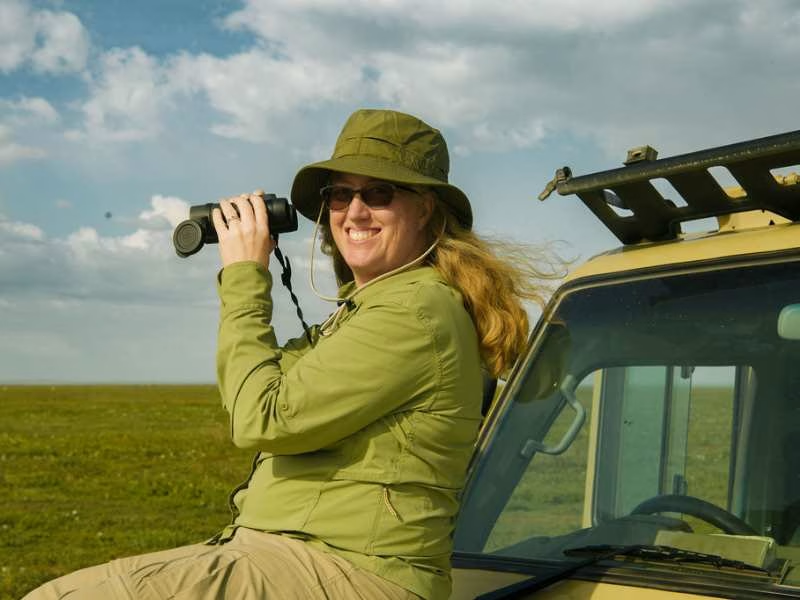
Rule #1: Colour matters. Stick to neutral earth tones — khaki, olive, beige, taupe, muted green, sand, or light grey. These colours blend with the bush environment and avoid startling wildlife.
What NOT to wear:
- White — gets dirty within an hour on a dusty game drive track
- Black and dark navy — absorbs intense heat and, critically, attracts tsetse flies
- Bright colours and neon — startles wildlife and attracts insects
- Military or camouflage — not recommended and may be restricted in some areas
Rule #2: Lightweight and breathable. Cotton and linen outperform synthetics in Kenya's heat. Look for moisture-wicking fabrics on long game drives.
Rule #3: Layer up. Early morning game drives typically start at 6am and temperatures can be close to 10°C. By midday it's 28°C+. A good layering system — base layer, mid-layer fleece, and a windproof shell — handles this range without overpacking.
Rule #4: Long sleeves protect you. Long-sleeved shirts protect against both intense equatorial UV radiation and insect bites, especially at dusk and dawn when mosquitoes are most active.
Recommended Safari Clothing List
Tops:
- 2–3 lightweight long-sleeved shirts in neutral colours (your workhorse items)
- 2 breathable T-shirts for layering and warm afternoons
Bottoms:
- 2 pairs of convertible zip-off trousers (pants by morning, shorts by afternoon — practical and luggage-efficient)
- 1–2 pairs of safari shorts for afternoons and camp wear
Layers & Outerwear:
- 1 warm fleece or mid-weight jacket — critical for early morning game drives across all Kenya parks
- 1 windproof/waterproof jacket — even in the dry season, a quick afternoon shower is possible
- Warm beanie and light gloves — particularly for Masai Mara and highland parks where mornings can surprise you
Accessories:
- Wide-brimmed hat — essential UV protection; the roof-hatch open-air vehicles leave you fully exposed to the sun
- Polarised sunglasses
- Lightweight scarf or buff — blocks dust on bumpy dirt tracks, provides warmth, doubles as a cover-up in Maasai villages
- Sarong or kikoi — hugely versatile: beach cover-up, picnic blanket, pool towel backup, evening wrap
Other Clothing:
- Swimwear (most lodges have pools)
- 1 smart-casual outfit for lodge dinners (a collared shirt or simple maxi dress is sufficient; most safari lodges don't enforce strict dress codes)
- Adequate socks and underwear (quick-dry preferred)
Safari Footwear
- Closed-toe walking boots or sturdy trekking shoes — ankle support is important for walking safaris and uneven bush terrain. Break them in before the trip.
- Lightweight trail shoes or trainers — comfortable secondary option for game drives
- Comfortable sandals — for evenings at the lodge and pool time
- Flip-flops — for the beach (Mombasa) and shower rooms
- Avoid: high heels, open-toed shoes for game drives, brand new boots on day one
What to Wear on Safari — Destination-Specific Guides
Each of Kenya's major safari destinations has its own micro-climate and environmental conditions. Here is what to wear at each one.
What to Wear to Masai Mara
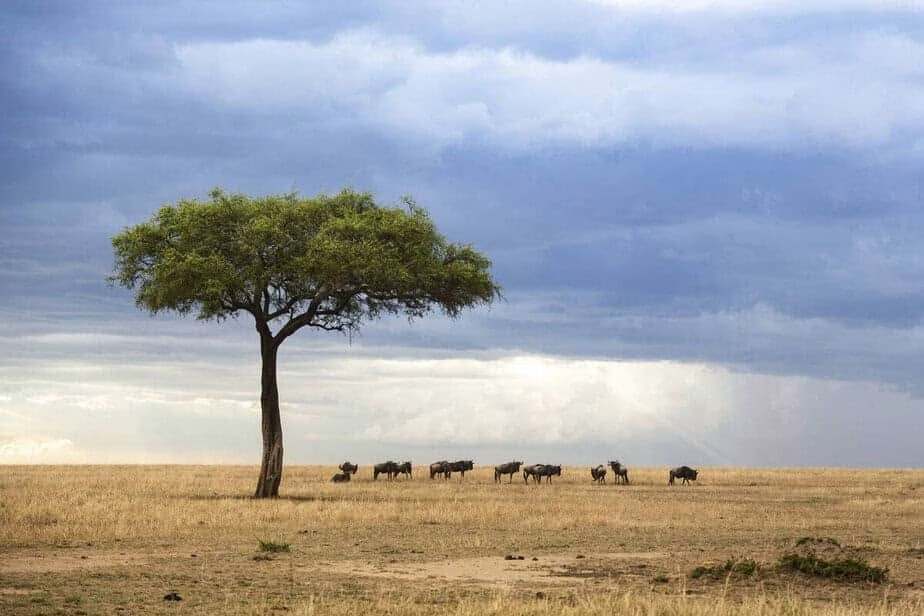
The Masai Mara's vast open savanna is iconic — and its weather can genuinely catch people off-guard. Mornings here are cold. Pre-dawn temperatures regularly drop to 10–15°C, and game drives begin as early as 6am in open-roof vehicles.
Morning game drive outfit:
- Thermal or fleece base layer
- Long-sleeved safari shirt over the base layer
- Full safari trousers
- Warm jacket or fleece
- Beanie and light gloves
- Buff or scarf around your neck (the wind on an open vehicle at speed is biting)
Midday/Afternoon:
- Switch to a lightweight T-shirt and convertible shorts
- Wide-brimmed hat and polarised sunglasses are non-negotiable
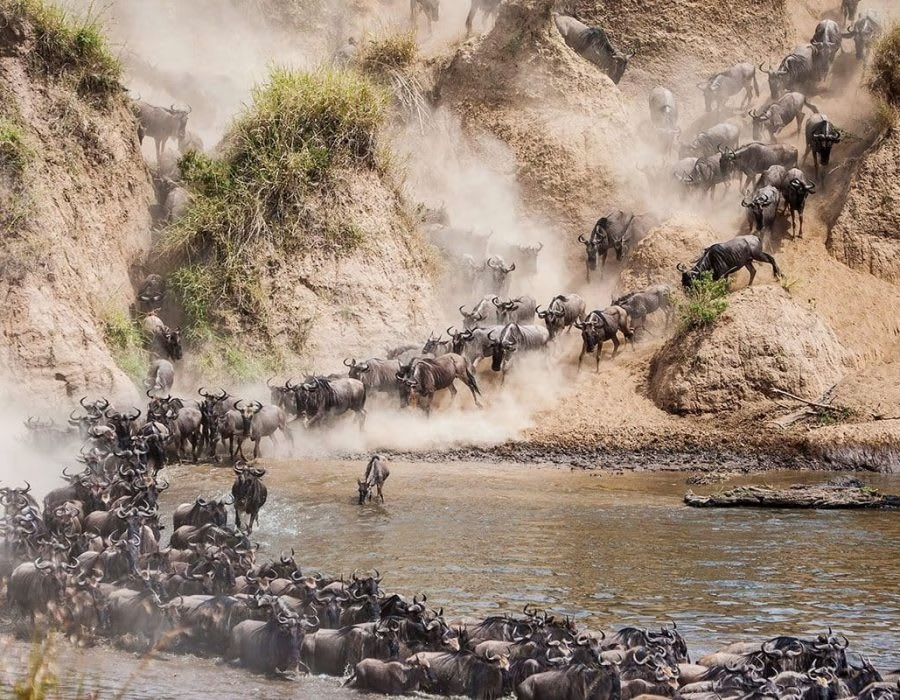
- Keep a buff on hand — during the Great Migration season (July–October), dust rises in thick clouds
Evening at camp/lodge:
- Smart-casual — a collared shirt, light dress, or neat top
- A light jacket for sitting outside after dark
Critical Masai Mara colour warning: Avoid dark blue and bright red specifically in the Mara — tsetse flies are strongly attracted to both colours and they can deliver a painful bite through light clothing.
What to Wear to Amboseli National Park
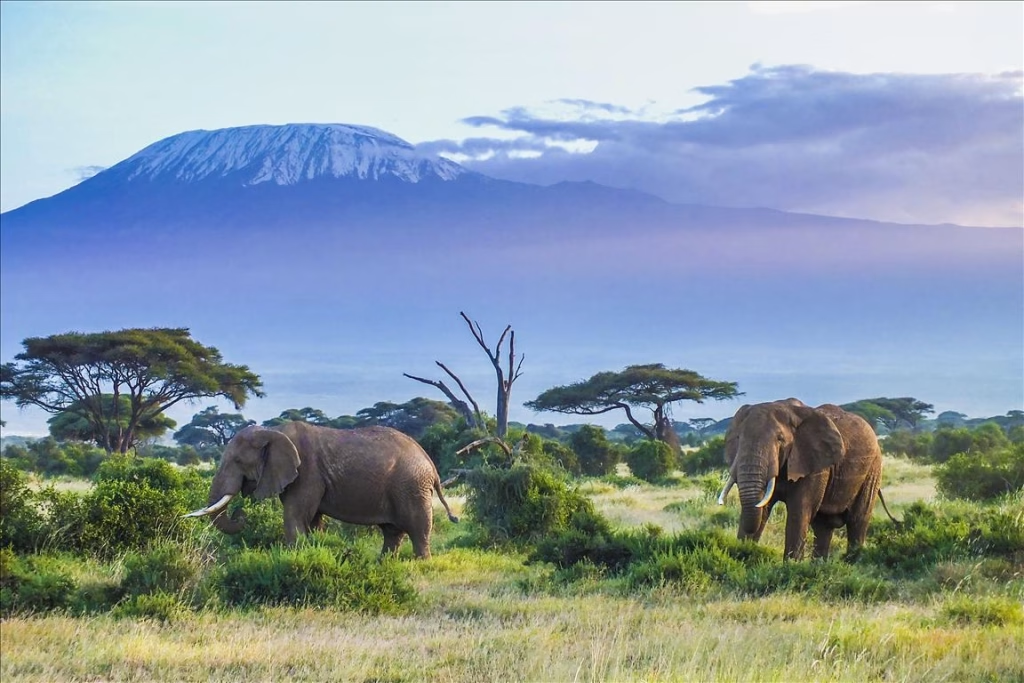
Amboseli is defined by two things: the breathtaking silhouette of Mount Kilimanjaro on the horizon, and dust — fine, white volcanic dust that rises from the dry ancient lakebed and coats every surface. Packing for Amboseli means packing for dust above everything else.
Morning (6am–9am):
- Fleece or light jacket over a long-sleeve base layer
- Safari trousers (full leg — the dust gets everywhere)
- Beanie or warm hat
- Buff or scarf mandatory — wrap around your nose and mouth during dusty tracks
Midday:
- Convertible trousers (zip off to shorts)
- Lightweight, breathable shirt
- Polarised sunglasses (the glare off Amboseli's pale dust plains is unusually intense)
- Wide-brimmed hat
Evening:
- Layers return — temperatures drop quickly after sunset
- Light fleece or wind jacket for outdoor seating
Key Amboseli tips:
- Pack your camera equipment in a dust-proof bag or case. The dust is pervasive and damaging.
- Quick-dry fabrics are recommended as Amboseli can transition from bone-dry to a short sharp rain shower during the wet season.
- Stick to olive, beige, light brown, khaki, and light grey for all clothing.
What to Wear to Nairobi National Park
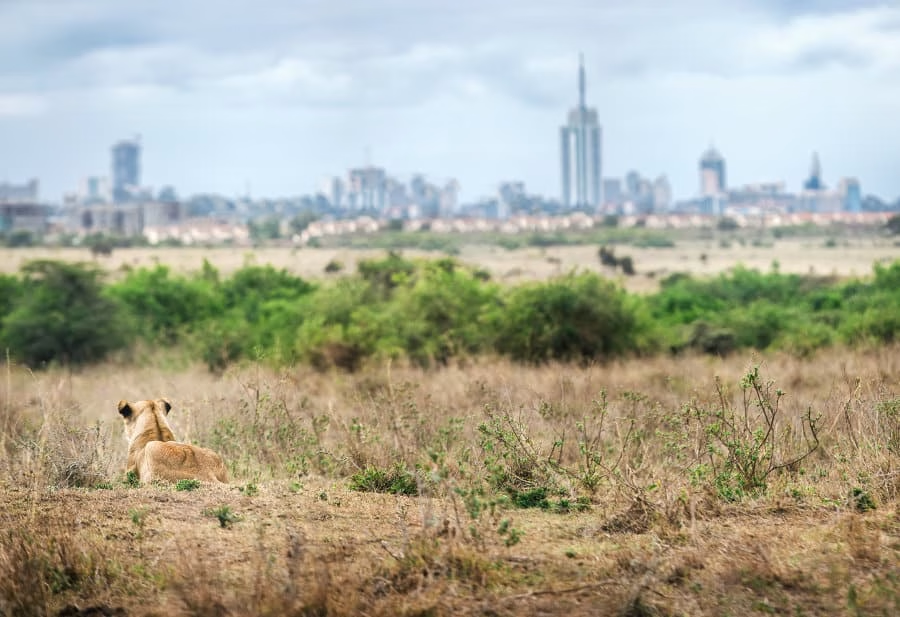
Nairobi National Park is uniquely positioned — a wild savanna ecosystem with lions, rhinos, and giraffes against a backdrop of city skyscrapers. Don't let the proximity to the city fool you into treating it casually. The same safari rules apply.
Clothing:
- Earth-toned colours: khaki, beige, olive, muted brown, light grey
- Lightweight trousers preferred over shorts — the grass and thorn scrub can scratch exposed legs
- Breathable long-sleeve base layer with a light fleece for early mornings
- Optional windbreaker for open-plains driving
Footwear:
- Trainers/sneakers or lightweight hiking shoes
- Avoid flip-flops and sandals — the terrain during any walking excursions requires proper foot support
Accessories:
- Wide-brimmed hat and polarised sunglasses
- Lightweight rain jacket or packable poncho — Nairobi's two rainy seasons mean sudden downpours are genuinely commonNairobi National Park is an excellent first or last-day addition to any Kenya safari — it's minutes from the city but genuinely wild. Dress as you would for any other Kenya park.
What to Wear When Travelling to Mombasa
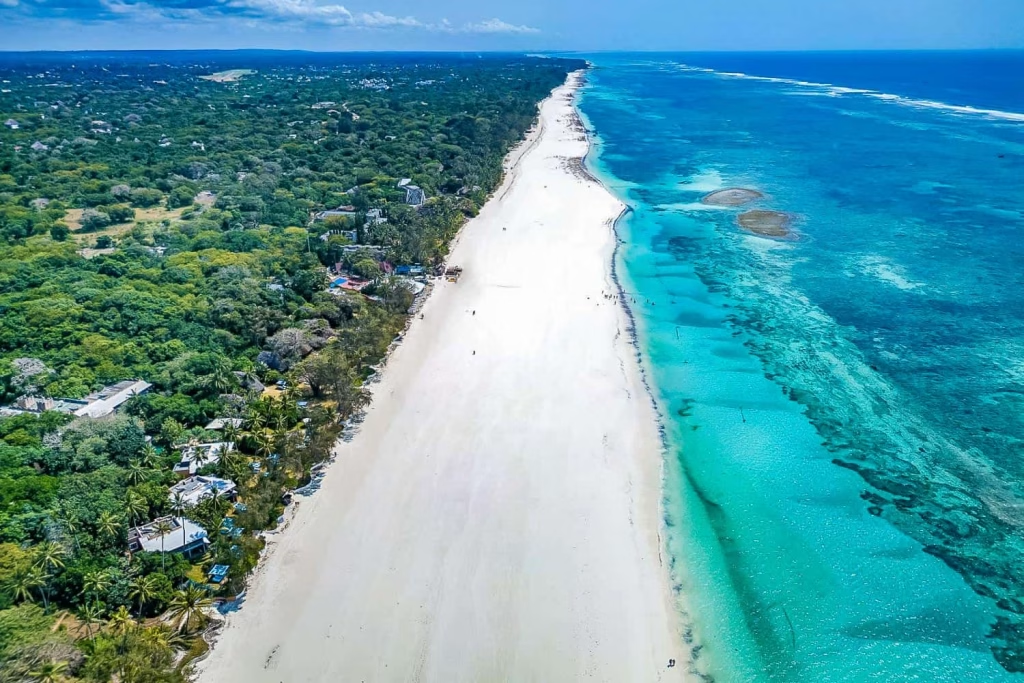
Mombasa is an entirely different Kenya. The Indian Ocean coast is hot, humid, and culturally rich — a fusion of Swahili, Arab, and African influences that shapes not just the food and architecture, but also the appropriate dress code.
Beach and resort wear:
- Swimsuits, bikinis, and boardshorts — perfectly appropriate at beach resorts
- Sarongs and cover-ups for walking between the beach and hotel
- Comfortable flip-flops and sandals
- Sunglasses and a wide-brimmed hat
City, Old Town, and cultural sites:
Mombasa's Old Town is a UNESCO-listed historic quarter with a strong Muslim heritage. Modest dress is important and respectful when away from the beach.
- Women: Long skirts, flowy sundresses, or linen trousers with a light top. Carry a scarf or shawl to cover shoulders when entering Old Town, visiting Fort Jesus, or stepping into any mosque or more conservative neighbourhood.
- Men: Lightweight linen trousers or chinos with a breathable shirt. Shorts are generally fine in tourist areas but swap them for trousers in markets and religious sites.
- A kikoi (the traditional Kenyan wraparound cloth) is practical, culturally appropriate, and widely available in Mombasa's markets — pick one up on arrival.
Practical Mombasa packing additions:
- 1–2 smart-casual outfits for evening dinners at restaurants
- A light linen overshirt or scarf to keep warm in heavily air-conditioned malls, restaurants, and transport
- Full waterproof shell jacket if visiting during the April–June rainy season — Mombasa's coastal rains are heavy and come with strong winds
- Water shoes or reef-safe sandals if snorkelling or visiting rocky beach areas
- Reef-safe, mineral-based sunscreen — Mombasa's reefs are a protected marine ecosystem
Health & Medical Essentials — What to Pack
Kenya's remote safari environments mean that proper health preparation before you travel is not optional. Stock up on everything you need before you leave home — over-the-counter medications are available in Nairobi and major cities but may not be available at remote lodges or near national parks.
Malaria Prevention
Malaria is present across most of Kenya below 2,500 metres — this includes Masai Mara, Amboseli, the Mombasa coast, and western Kenya. Nairobi itself (at 1,700m) has a very low malaria risk, but if your itinerary combines Nairobi with any bush or coastal destination, antimalarial medication is strongly recommended for your entire trip.
Consult a travel health clinic at least 4 weeks before departure. Your doctor will recommend the appropriate antimalarial based on your health profile and itinerary.
Antimalarial medication options:
| Medication | Timing | Best For |
|---|---|---|
| Atovaquone/Proguanil (Malarone) | Start 1–2 days before; continue 7 days after | Shorter trips; fewest side effects |
| Doxycycline | Start 1–2 days before; continue 28 days after | Budget-conscious travellers; widely available |
| Mefloquine (Lariam) | Start 2–3 weeks before; weekly dose | Longer trips; not suitable for everyone |
⚠️ Note: Chloroquine is NOT effective against malaria in Kenya due to widespread drug resistance. Do not substitute it.
Bite prevention is equally important:
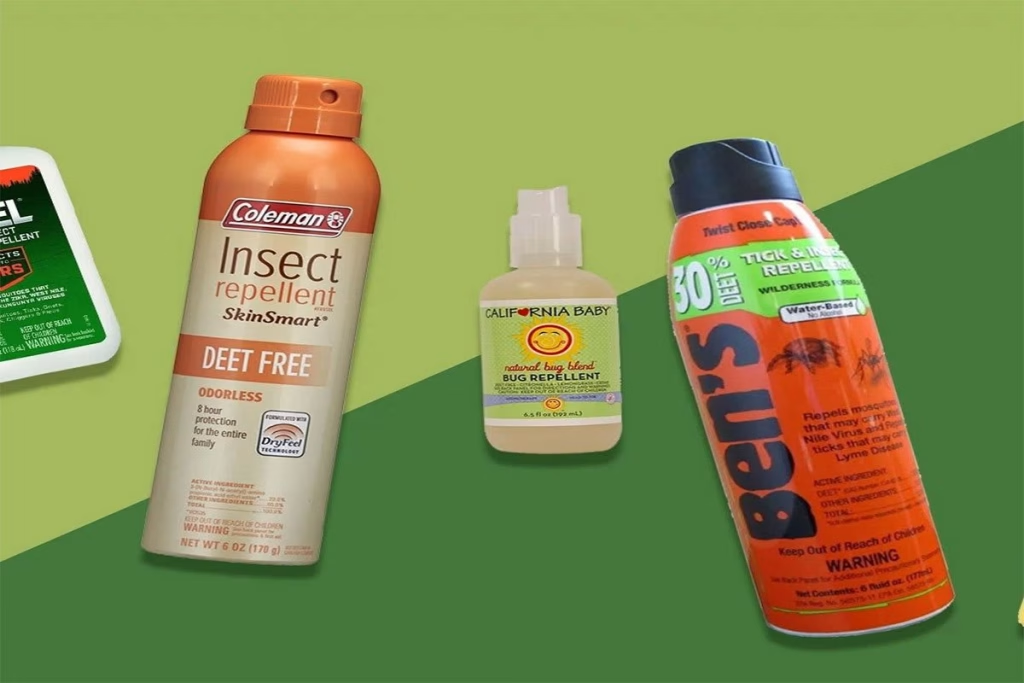
- DEET-based insect repellent (30–50% concentration) — apply from dusk to dawn and reapply every 4–6 hours
- Long sleeves and trousers during evening hours significantly reduce exposure
- Most lodges and camps provide mosquito nets over beds — use them
Personal First Aid Kit
Pack a compact travel first aid kit with:
- Paracetamol and/or ibuprofen
- Electrolyte/rehydration sachets — dehydration is a real risk in Kenya's heat, especially on long game drives
- Anti-diarrhoea tablets (Imodium/Loperamide)
- Antiseptic ointment and antibacterial wipes
- Plasters/band-aids in various sizes
- Eye drops — dust from game drives irritates eyes significantly, especially in Amboseli and the Mara
- Aloe vera gel or aftersun lotion
- Tweezers
- Any personal prescription medication — carry a copy of the prescription in case of customs inspection
Other Health Considerations
- Altitude: Nairobi sits at 1,700m and some trekking destinations are higher — drink plenty of water and allow a day to acclimatise if arriving from sea level.
- Sun: The equatorial UV index in Kenya is extremely high even on cloudy days. Apply high-SPF sunscreen every two hours on game drives and beach days.
- Water: Drink bottled or purified water throughout your trip — your tour vehicle will be stocked with bottled water during game drives.
Tech & Gear — What to Pack
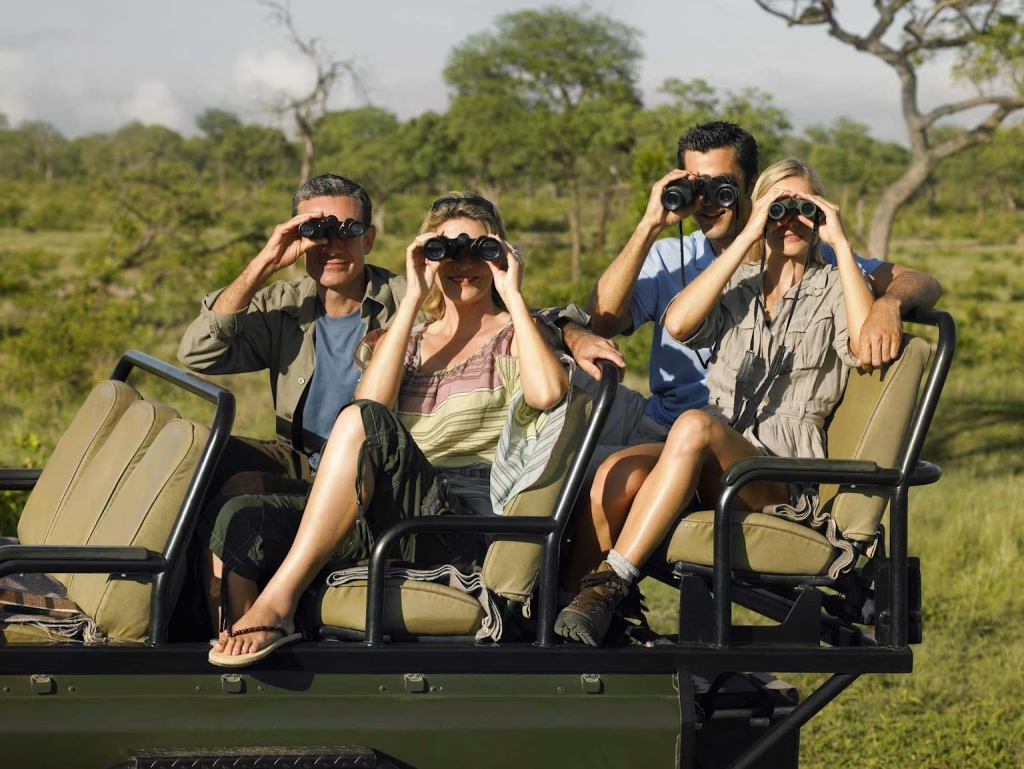
Kenya is a world-class photography destination. Packing the right tech will transform your safari experience.
- Camera — a DSLR, mirrorless, or a high-quality smartphone. A 200–500mm telephoto zoom lens is ideal for wildlife photography.
- Extra memory cards and batteries — you will fill cards faster than you expect and some lodges run generators on a limited schedule
- Portable power bank — essential for keeping devices charged between game drives
- Binoculars — arguably the most underrated piece of safari kit. Even if your driver gets close, binoculars reveal details no camera lens captures. 8x42 or 10x42 magnification is the safari sweet spot.
- Universal plug adapter (Type G / UK three-pin) — Kenya uses British-style 3-pin plugs at 220–240V
- Headlamp or torch with spare batteries — bush camps have limited lighting after dark and power may cut out overnight
- Dust-proof camera bag or insert — particularly important in Amboseli where dust is pervasive and damaging to lenses🚁 Drone Advisory: Kenya has strict regulations governing drone use and many national parks, including the Masai Mara and Nairobi National Park, prohibit drones entirely. Check each park's specific rules before packing one. Importing an undeclared drone can result in confiscation at Nairobi airport.
Toiletries & Personal Care
Keep toiletries travel-sized and eco-conscious — many safari camps operate in ecologically sensitive wilderness areas and ask guests to use biodegradable products.
- High-SPF, water-resistant sunscreen (SPF 50+ recommended)
- DEET insect repellent (30–50%)
- Biodegradable shampoo, conditioner, and body wash
- Lip balm with SPF
- Hand sanitiser and antibacterial wet wipes — essential where running water is limited between drives
- Deodorant
- Moisturiser and aftersun lotion
- Travel-size toothpaste and toothbrush
- Quick-dry travel towel — useful for bush camps with shared or basic facilities
- Travel toilet paper — public facilities in remote areas may not be stocked
- Feminine hygiene products in sufficient supply — these may not be available near remote national parks
Kenya Safari Packing List — The Complete Checklist
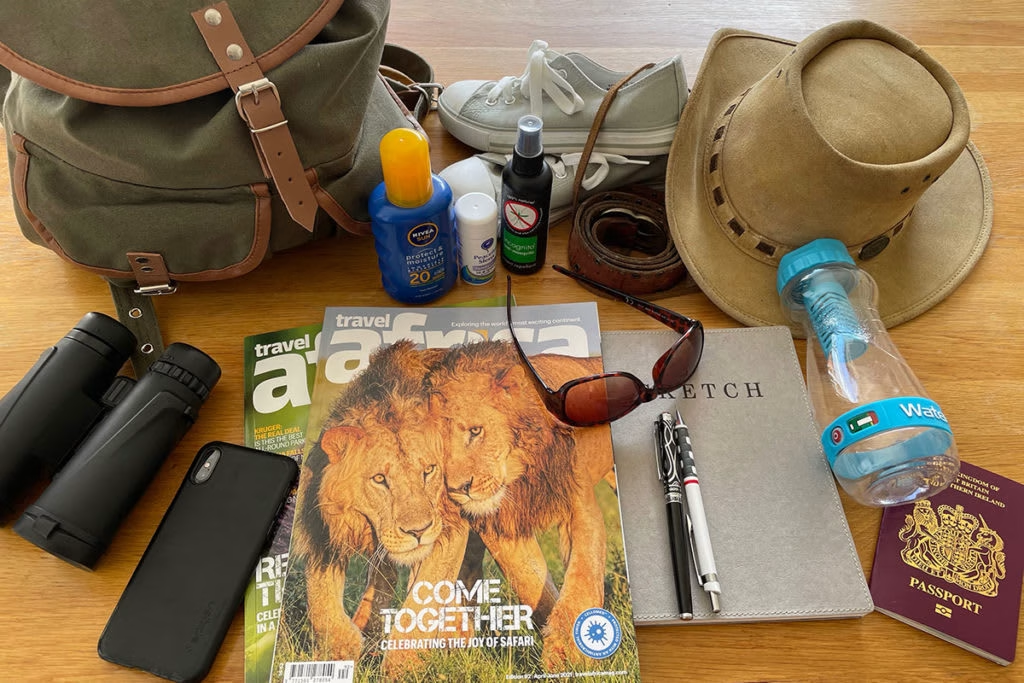
Print this out, stick it on your fridge, and check it off before you leave. This Kenya safari packing list covers everything discussed in this guide.
📋 Documents & Entry
- Passport (valid 6+ months beyond travel dates)
- Kenya eTA approval — applied online at etakenya.go.ke (cost: USD 32.50)
- Travel insurance documents (printed + digital copy)
- Yellow fever certificate — only if transiting through an endemic country
- Prescription copies for all medication
- Lodge/camp booking confirmations and tour itinerary (printed + digital)
- Emergency contacts: tour operator, lodges, nearest embassy, travel insurer
- Driver's licence or secondary photo ID
👕 Clothing & Footwear
- 2–3 lightweight long-sleeved shirts (neutral colours: khaki, olive, beige)
- 2 breathable T-shirts
- 2 pairs of convertible/zip-off safari trousers
- 1–2 pairs of safari shorts
- Warm fleece or mid-weight jacket
- Windproof/waterproof jacket
- Beanie and light gloves (early morning game drives)
- Wide-brimmed hat
- Polarised sunglasses
- Swimwear
- 1 smart-casual outfit for lodge dinners
- Lightweight scarf or buff (dust + warmth)
- Sarong or kikoi (beach, village visits, versatile cover-up)
- Adequate socks and underwear (quick-dry recommended)
- Closed-toe walking boots or sturdy trekking shoes (broken in)
- Lightweight trail shoes or trainers
- Comfortable sandals for evenings
- Flip-flops (Mombasa/beach)
💊 Health & Medical
- Antimalarial medication (prescribed by a travel doctor — start before departure)
- DEET insect repellent (30–50% concentration)
- Paracetamol and/or ibuprofen
- Electrolyte/rehydration sachets
- Anti-diarrhoea tablets
- Antiseptic wipes and ointment
- Plasters/band-aids (assorted)
- Eye drops
- Aloe vera gel/aftersun lotion
- All personal prescription medications + prescription copies
📷 Tech & Gear
- Camera (DSLR, mirrorless, or high-quality smartphone)
- Extra memory cards (multiple)
- Spare camera batteries and charger
- Portable power bank
- Universal plug adapter (Type G / UK 3-pin)
- Binoculars (8x42 or 10x42 recommended)
- Headlamp or torch with spare batteries
- Dust-proof camera bag or insert (essential for Amboseli)
- Soft-sided duffel bag for domestic safari flights
🧴 Toiletries
- High-SPF sunscreen (SPF 50+, water-resistant)
- Biodegradable shampoo and body wash
- Lip balm with SPF
- Hand sanitiser and antibacterial wipes
- Deodorant
- Moisturiser and aftersun lotion
- Quick-dry travel towel
- Travel toilet paper
- Feminine hygiene products (if applicable)
💰 Money & Payments
- USD cash — small bills (USD 1, 5, 10, 20), post-2013 issue, clean and uncreased
- Kenyan Shillings (KES) — USD 50–100 equivalent for local markets and small purchases
- Credit/debit card (Visa preferred; notify your bank before travel)
- Budget allocated for tips, drinks, and extras beyond your tour fee
🚫 What NOT to Pack (Banned in Kenya)
Kenya has one of the world's strictest bans on single-use plastics. The following are prohibited by law — leave them at home:
- ❌ Plastic bags of any kind (grocery bags, freezer bags, carrier bags)
- ❌ Zip-lock/Ziploc bags
- ❌ Single-use plastic water bottles
- ❌ Styrofoam containers
- ❌ Plastic cutlery and straws
- ❌ Hard-shell suitcases (for any itinerary that includes domestic bush flights)
Pack reusable mesh or fabric bags for shopping and markets. Most lodges provide reusable water bottles — bring one from home and use it throughout your trip.
Luggage Advice — Bags & Weight Limits
Understanding Kenya's domestic flight baggage rules is the single most important logistical detail you need to get right. Ignore it and you'll be repacking on the tarmac at Wilson Airport.
The rule: The maximum luggage allowance on domestic light aircraft (Cessna Caravans and similar aircraft used for bush flights to the Mara, Amboseli, and other park airstrips) is 15 kg (33 lbs) — total, including carry-on. Bags must be soft-sided.
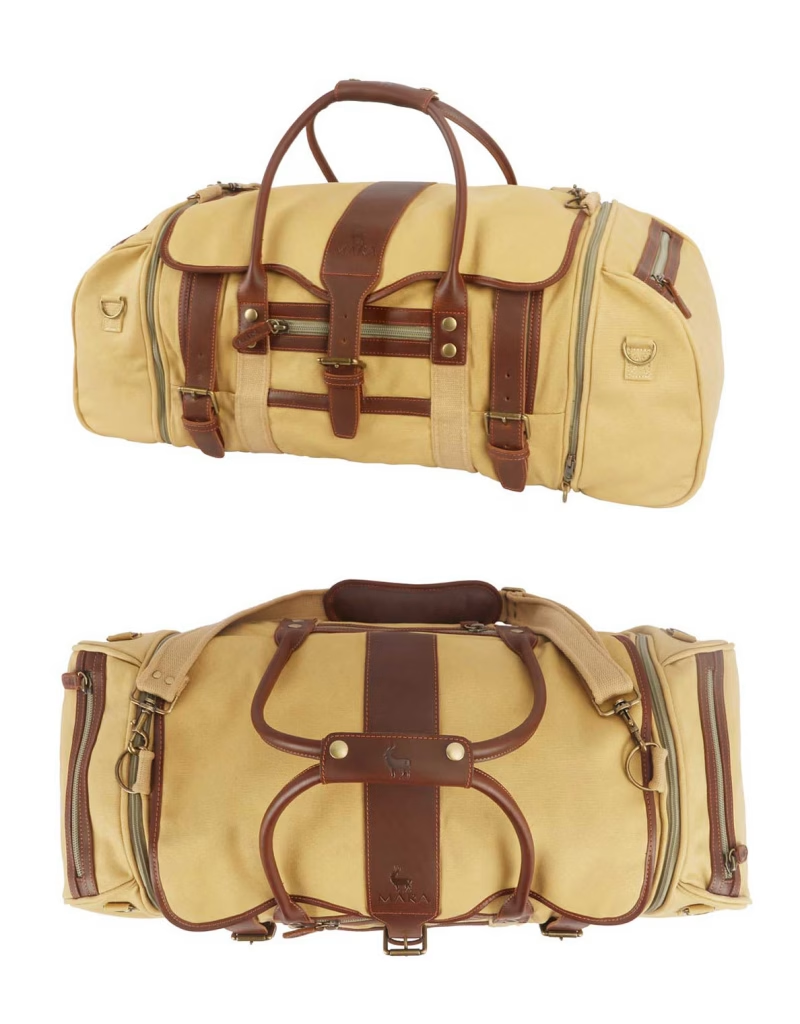
Bag dimensions for domestic safari flights:
- Main bag: maximum 60 cm x 45 cm x 33 cm
- Hand luggage: maximum 30 cm x 53 cm x 23 cm (max 5 kg, included in the 15 kg total)
Practical tips:
- Most lodges and camps offer same-day laundry service — you can comfortably pack for 4–5 days and rewash throughout a 10-day trip
- Extra weight can often be purchased from domestic carriers at approximately USD 50 per 10 kg per leg — book in advance
- Your international airline allows 23 kg (economy) to 32 kg (business class) — the luggage reduction for domestic legs is significant. Pack your international luggage in a duffel bag from day one, or transfer at your Nairobi hotel the night before your first domestic flight
- A padlock on your duffel bag secures it for the aircraft hold
Money, Meals & Expenses — What to Budget For
Understanding what's included in your safari package — and what isn't — will help you arrive with the right amount of cash.
What Your Campo East Africa Safari Package Covers
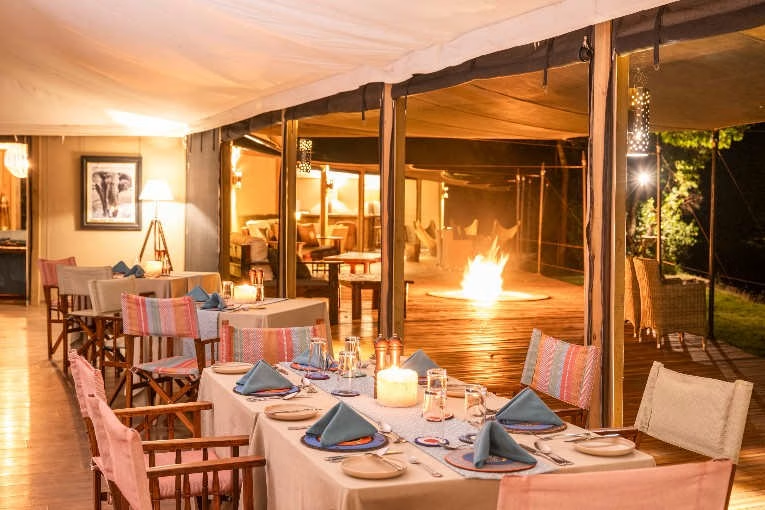
Your accommodation is on a full-board basis while you are in the bush — breakfast, lunch, and dinner are all included at your safari camp or lodge. In Nairobi, accommodation is typically on a bed and breakfast (B&B) basis only.
What is NOT included in the tour fee:
- Alcoholic beverages and soft drinks (a cold beer or glass of wine at your lodge is not covered)
- Specialty coffees and juices beyond what is offered at meals
- Any activities booked separately (hot air balloon rides, Maasai village visits, etc.)
- Tips for guides, porters, and camp staffGood news for game drive days: bottled water is provided in the vehicle during road transfers and game drives — stay hydrated and don't worry about buying water en route.
Accepted Payment Methods in Kenya
Credit and debit cards are widely accepted at hotels, safari lodges, major restaurants, supermarkets, and tourist facilities in urban areas. Visa is the most universally accepted; Mastercard follows closely. American Express has limited acceptance outside of luxury properties.
Cash is essential for:
- Tipping guides, drivers, porters, and lodge/camp staff
- Local markets and curio shops
- Rural areas and small purchases outside of tourist facilities
- Park gate fees (some smaller parks still prefer cash)
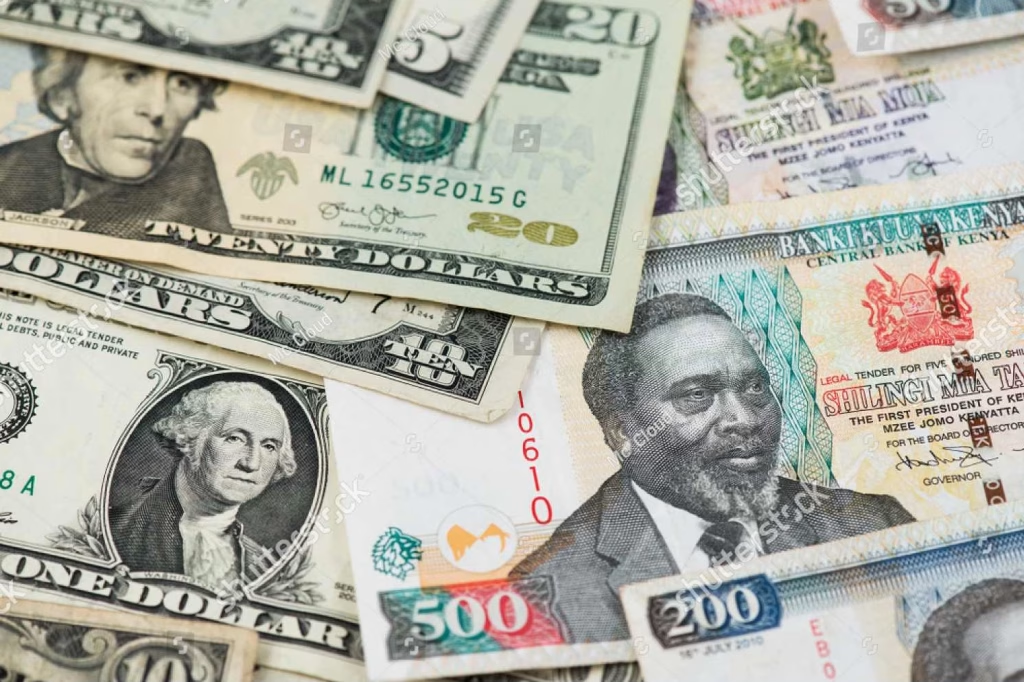
US Dollars (USD) are accepted by park gates, safari operators, and for tipping. One critical rule: your USD bills must be post-2013 issue, clean, and uncreased. Older bills, torn notes, or heavily marked currency are routinely rejected at lodges and exchange bureaux — this is a widely-enforced rule across East Africa.
Kenyan Shillings (KES) are the currency of everyday life in Kenya. Withdraw KES 5,000–10,000 (approximately USD 50–100) at a Nairobi airport or city centre ATM before heading to the parks. ATMs are scarce near national parks.
M-Pesa, Kenya's mobile money system, is used by locals for virtually everything — but as a visitor, cash and cards cover all tourist needs.
Tipping Guide
Tipping is an important part of the safari economy. Your guide and camp staff work extremely hard and tips are a meaningful part of their income.
| Service | Suggested Tip (per person per day) |
|---|---|
| Safari guide/driver | USD 10–20 |
| Safari camp staff (shared tip box) | USD 10–15 |
| Hotel porter | USD 1–2 per bag (or KES 100–200) |
| Hotel housekeeping | KES 200–500 per day |
| Restaurant (if no service charge added) | 10% of the bill |
| Maasai village guide | KES 500–1,000 |
Budget USD 200–400 per person over a standard safari for tips, drinks, and incidentals. Carry this in small-denomination USD bills — a single USD 100 note is impractical for tipping.
Frequently Asked Questions
Do I need a yellow fever vaccine to travel to Kenya from the USA or UK?
No. Travellers flying directly from the USA, UK, or Europe do not require a yellow fever certificate to enter Kenya. The vaccine is only required if you are arriving from — or transiting through for more than 12 hours — a country classified as a yellow fever risk zone. Always verify current requirements with the CDC or Kenya Ministry of Health before travel.
What is the luggage limit for domestic bush flights in Kenya?
The maximum luggage allowance on domestic light aircraft used for safari routes is 15 kg (33 lbs) total — including all carry-on bags. All bags must be soft-sided. Hard-shell suitcases are not permitted.
Are credit cards accepted in Kenya?
Yes — Visa and Mastercard are accepted at most hotels, lodges, restaurants, and supermarkets. Cash (USD or Kenyan Shillings) is essential for tips, local markets, and any areas outside of major tourist facilities.
What colours should I wear on a Kenya safari?
Wear neutral earth tones: khaki, olive, beige, taupe, muted green, and light grey. Avoid white (shows dust), black and dark navy (attracts tsetse flies), and bright colours or neon (startles wildlife and attracts insects).
Can I bring a drone to Kenya's national parks?
Kenya has strict drone regulations and many national parks — including the Masai Mara — prohibit drone use entirely. Check the specific rules for each park and obtain any required permits well in advance of travel.
What single-use plastics are banned in Kenya?
Kenya bans all single-use plastics including carrier bags, Ziploc bags, garbage bags, single-use water bottles, styrofoam containers, plastic straws, and plastic cutlery. Leave all of these at home.
Do I need malaria tablets for a Kenya safari?
Yes — if visiting Masai Mara, Amboseli, Mombasa, or any destination below 2,500m altitude, antimalarial medication is strongly recommended. Consult a travel health clinic at least four weeks before departure to discuss the best medication for your itinerary.
What type of bag should I bring on a Kenya safari?
A soft-sided duffel bag is the ideal choice. It meets the 15 kg limit for domestic bush flights, fits easily into safari vehicle storage compartments, and is far more practical than a hard-shell suitcase across all of Kenya's terrain.
Packing Tips to Travel Light Without Missing Anything
A few final pieces of advice from people who have packed for Kenya many times:
- Most first-time safari travellers overpack. Four to five key outfits will cover a full week when you take advantage of lodge laundry services.
- A lightweight scarf is the most versatile item you can pack. It works as a dust mask on game drives, a blanket in a cold open vehicle, a shoulder cover at village visits, a beach wrap, and a dinner shawl — all in one compact item.
- Use packing cubes. They compress clothing within a duffel bag and make finding items fast when you're unpacking at a new camp every few days.
- Buy reusable mesh bags in Nairobi before heading to the parks — they replace the banned plastic bags for market shopping and souvenirs.
- Leave expensive jewellery and watches at home. Safari environments are dusty and active, and conspicuous valuables attract unwanted attention.
- Photograph your luggage contents before you leave home — it simplifies insurance claims in the unlikely event of a lost bag.
Ready to Start Planning Your Kenya Safari?
Now that you know exactly what to pack, the only thing left to do is book the adventure. At Campo East Africa Safaris, we design private and tailor-made safaris across Kenya — from the legendary Masai Mara and Amboseli to the Mombasa coast and Nairobi's surprising wilderness. Our expert guides and fully-equipped safari vehicles handle everything so you can focus entirely on the experience.